
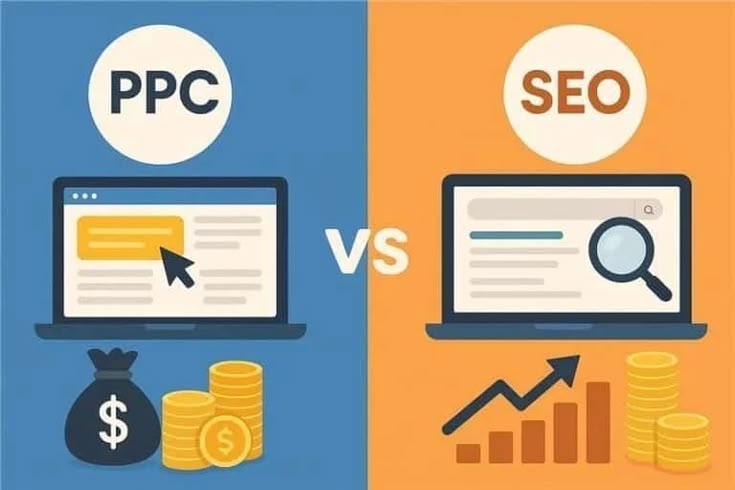
For SaaS, choose pay-per-click advertising (PPC) when you need to test an offer against existing search demand and can fund the clicks and track outcomes. Choose search engine optimization (SEO) when you can publish useful pages and have time to build visibility. Give both agencies one brief so you can compare total cost, internal work, and evidence of qualified demand.
What Should an SEO vs PPC Agency Brief Include?
Include the product, target segment, sales process, available pages, current tracking, and amount of internal production time. State whether you want to learn about a new offer, reach an existing group of buyers, or improve the path from visitor to qualified demo. Include any constraints such as a pending redesign or the lack of an engineer who can implement tracking changes.
Ask both candidates to describe the first decision they would make. An SEO agency might prioritize a set of integration pages because sales hears the same technical question in every evaluation. A PPC agency might suggest a tightly scoped campaign to see whether that question also produces suitable demo requests. The proposals can be complementary even when the company can only fund one at first. Use a SaaS agency directory to shortlist organic and paid specialists, then ask both to explain the first decision their work will help you make.
| Compare | SEO proposal | PPC proposal |
| Work needed upfront | Site review, useful pages, implementation capacity | Account setup, landing page, conversion tracking |
| Early evidence | Indexing checks, query visibility, relevant engagement | Search terms, spend, form and lead quality |
| Cost to include | Content, engineering, and agency time | Media, fees, creative, and landing page work |
| Risk to monitor | Publishing delays and weak relevance | Paying for mismatched queries or poor measurement |
How Do SEO and PPC Proposals Differ in Scope and Cost?
For the organic side, NEWMEDIA’s overview of B2B SaaS SEO agencies offers a starting point for comparing specialties. Ask which person will diagnose the site, who will write or implement pages, and how the work will be evaluated. A list of services does not tell you which tasks are actually included in the proposal.
Google’s SEO Starter Guide explains core considerations such as accessible, useful content and discoverability. For paid work, Google’s guide to manager account ownership helps frame questions about access and continuity. Ask the paid candidate how it will respond if promising click volume does not yield qualified conversations, and ask the organic candidate which outputs the team will own at the end.
Use One Set of Outcome Definitions
- Define a qualified enquiry and who marks it as qualified.
- Identify the source of the lead and the source of truth for opportunity status.
- List fixed and variable costs separately.
- Set an early review for delivery and a later review for qualified outcomes.
- Require each agency to explain what would cause a change in scope.
Consider an illustrative comparison. One proposal forecasts 400 visits from paid search and the other expects improvements on eight organic pages. These are different units. Ask both candidates to show how their plan will reach relevant buyers and how the team will observe the same next step. A SaaS attribution guide can help the team decide what to do when one channel introduces the buyer and the other appears later.
Plan for Changes After the First Review
If neither channel produces enough evidence, the answer may be to narrow the audience or improve the offer rather than switch vendors. Inspect search intent, the page promise, and the reason sales rejects leads. A strong partner explains which change is most likely to teach you something and identifies a period long enough to observe it.
Do not compare a single week of paid enquiries with a multi-month organic result without noting the different time windows. Use common reporting periods where they make sense, and record the earlier signs each channel can reasonably provide. This helps a small team keep a useful project running long enough to learn without promising an open-ended budget.
Compare What Happens When a Dependency Is Late
A common source of unequal bids is how the vendor treats work done by your team. The organic proposal might depend on engineers publishing template changes, while paid search may depend on a new landing page or a sales integration. Ask both candidates to name the person who owns each dependency and show which part of the plan can move if it slips.
For example, if legal review delays a page, paid traffic can be held until the destination is ready, while organic work might shift to a different approved topic. That is useful contingency planning, but only if the revised work still answers the original question. Make sure the proposal distinguishes rescheduling work from adding scope or spending more money.
Send the same brief, ask for the same outcome definitions, and compare the evidence at the same decision point. Choose the agency whose work fits the problem you need to solve now.