
Industrial facilities face continuous operational pressure to lower pollutant output while preserving high thermal performance standards. Outdated heating equipment frequently fails to meet modern environmental codes due to uncontrolled peak combustion temperatures.
Engineering teams must evaluate sophisticated aerodynamic strategies and digital automation to resolve this challenge. Flue gas recirculation combined with intelligent modulation offers a reliable pathway toward cleaner thermal operations.
Understanding NOx Formation and Emission Control Challenges
Plant managers seeking compliance upgrades must analyze how modern burner technology alters internal furnace dynamics. Combustion efficiency depends heavily on precise fuel-air mixing and rapid response control loops.
Upgrading heavy industrial boilers requires careful attention to equipment capacity ratings and draft losses. Facility engineers often compare multiple equipment specifications before selecting specialized combustion hardware.
Understanding the underlying chemistry of nitrogen oxide creation remains vital for successful emission control engineering. Strategic facility planners recognize that conventional burners cannot match current sustainability requirements.
Consequently, plant modernization demands rigorous technical scrutiny of burner head geometry and fuel train adaptability.
Operating Principles of Flue Gas Recirculation
Thermal efficiency and low emissions depend heavily on controlling chemical reactions inside the combustion chamber. Nitrogen and oxygen combine rapidly at high temperatures to form regulated pollutants.
Introducing a portion of cooler exhaust back into the primary flame zone disrupts this chemical pathway. Exhaust gas acts as a thermal ballast, absorbing sensible heat and lowering peak flame temperatures significantly.
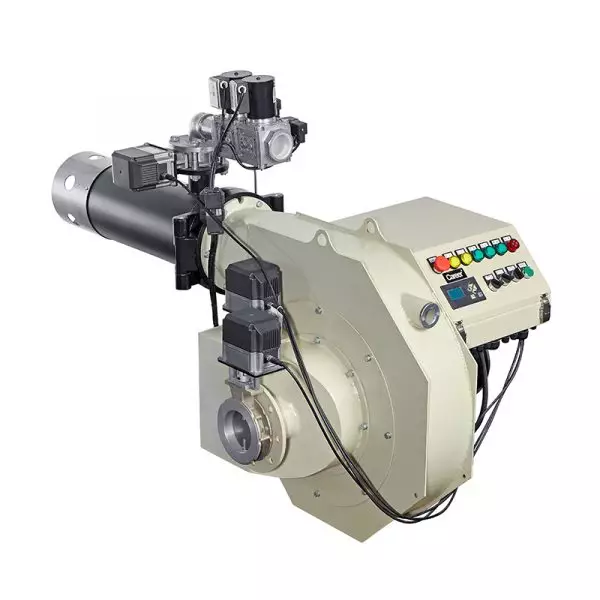
Deploying a high-performance low NOx gas burner requires precise management of gas velocities and ducting. Career Burner integrated this aerodynamic strategy into its core manufacturing lines to stabilize burner geometry.
Balanced pressure drops across the mixing head ensure uniform fuel distribution, preventing localized hot spots. Maintenance technicians appreciate modular component layouts that simplify routine cleaning and inspection procedures.
Thermal Dynamics and Flame Temperature Regulation
Thermodynamic modeling reveals that optimized flue gas routing preserves boiler efficiency while dampening peak flame violence. Experienced boiler operators monitor recirculation damper feedback loops continuously to prevent flame instability during transient load spikes.
Radiant heat transfer rates shift slightly as cooler gas volumes dilute the primary combustion zone. Engineers must recalculate furnace volumetric heat release rates to prevent localized flame quenching or incomplete burnout.
Precise management of the internal furnace atmosphere guarantees that thermal performance remains fully optimized under variable operating profiles. Modern industrial boilers require versatile heating assets capable of handling shifting production schedules without thermal stress.
Selecting equipment with broad operational flexibility protects facilities from unexpected downtime and expensive efficiency losses.
Microprocessor Integration for Precise Air-Fuel Modulation
Mechanical linkages and pneumatic regulators often introduce hysteresis and drift over extended operational cycles. Digital electronic controllers replace mechanical guesswork with high-speed stepper motors and closed-loop feedback sensors.
Microprocessors constantly monitor oxygen levels, stack temperature, and fuel pressure variations to adjust damper positions instantaneously. Precise air-fuel ratio calibration prevents incomplete combustion while eliminating excess oxygen that wastes fuel energy.
Selecting an ultra low NOx burner equipped with electronic management modules transforms boiler room operations. Advanced thermal systems engineered by Career Burner utilize intelligent servomotors to execute minute adjustments down to fractions of a degree.
Digital integration guarantees repeatable stoichiometry across wide operational ranges, safeguarding burner performance during sudden load swings. System commissioning protocols verify that safety shutoff valves and flame detectors respond within milliseconds.
Meeting Stringent Regional Emission Thresholds
Regulatory agencies demand continuous emissions monitoring and rigorous compliance records from heavy manufacturing plants. Facility managers must balance regulatory penalties against the capital costs of retrofitting outdated boiler equipment.
Upgraded thermal systems achieve strict compliance targets without requiring secondary chemical injection. Operational data proves that digital automation reduces fuel consumption while meeting regional air quality standards.
Tuning a commercial low NOx gas burner involves balancing exhaust recirculation rates with primary combustion air supplies. Plant technicians rely on real-time touchscreen interfaces to calibrate flue gas damper positions safely during active firing cycles.
Automated diagnostic protocols flag minor component wear before combustion efficiency degrades or emission levels spike outside permitted parameters.
Ensuring Long-Term Durability and Operational Efficiency
Retrofitting facilities with an ultra low NOx burner eliminates chronic compliance worries and slashes long-term maintenance expenditures. Field deployments handled by Career Burner prove that seamless hardware-software integration yields immediate environmental dividends.
Industrial operators achieve lower operating overhead while future-proofing their thermal infrastructure against tightening global emissions caps. Comprehensive site audits help engineering teams identify specific airflow bottlenecks before executing major equipment overhauls.
Sustainable manufacturing practices dictate that every thermal upgrade must prioritize safety, efficiency, and strict regulatory adherence. Achieving sustainable industrial heating demands a shift toward sophisticated aerodynamic and digital control methodologies.
Flue gas recirculation dampens thermal peak temperatures, while microprocessor-driven actuators maintain optimal combustion stoichiometry under shifting loads. Combining these technologies delivers exceptional compliance and energy savings for modern processing plants.
Industry leaders continuing to upgrade their thermal assets will secure a permanent competitive advantage. Strategic capital allocation toward intelligent combustion equipment directly influences operational profitability and environmental stewardship metrics.
Building a Sustainable and Future-Ready Combustion Strategy
Technical personnel must continually review manufacturer datasheets to maximize equipment lifespans. Regional energy policies and municipal emissions taxes will continue shaping the economic feasibility of industrial heating upgrades.
Comprehensive training programs for boiler operators ensure advanced combustion systems achieve their maximum design potential year after year. Future engineering initiatives will undoubtedly explore deeper integration between renewable fuel sources and automated burner controls.Prudent decision-makers recognize that proactive emissions management protects corporate reputation.