
Rubber components are widely used in automotive systems, tools, machinery, and outdoor hardware because of their flexibility, vibration resistance, and protective functions. However, continuous exposure to sunlight, moisture, friction, chemicals, and temperature changes can gradually reduce their appearance and performance.
A coating that performs brilliantly on metal may fail entirely on rubber—different substrates demand different chemistry. SANVO develops chemical solutions specifically for industrial rubber protection, including surface coatings that enhance durability, yet the real key to long-term performance lies in engineers and maintenance teams understanding how those coatings interact with rubber surfaces before selection.
Why Rubber Surfaces Need Additional Protection
Rubber materials offer excellent elasticity, but their exposed surfaces can experience aging problems during daily operation. Ultraviolet radiation may cause cracking, discoloration, and loss of flexibility, while contact with oils, cleaning agents, and environmental contaminants can accelerate surface deterioration.
For automotive components, rubber parts such as trims, seals, protective covers, and flexible accessories often face repeated mechanical stress. Hardware components made from rubber or rubber-coated materials may also experience abrasion and weather exposure. A protective coating can help create an additional barrier between the rubber surface and external conditions.
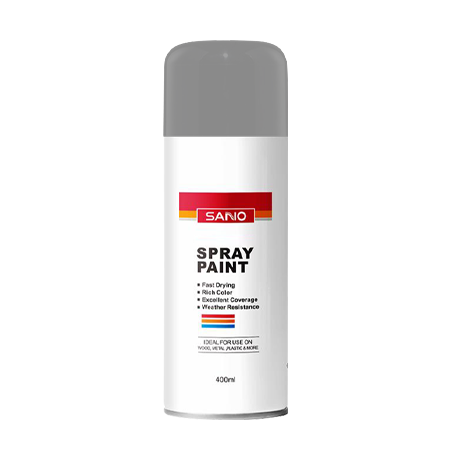
The use of spray paint for rubber allows manufacturers and users to refresh surfaces while improving resistance against common environmental challenges. Unlike coatings designed only for rigid materials, rubber-compatible coatings need to maintain flexibility after application to prevent cracking when the substrate bends or expands.
How Rubber Spray Paint Works on Flexible Materials
Applying a coating to rubber requires understanding the relationship between the paint film and the flexible substrate. Traditional paints may become brittle after drying, causing the coating layer to separate when the rubber moves. Rubber spray paint is designed with formulations that improve adhesion and maintain surface integrity during normal deformation.
The coating process usually involves several important stages. Surface preparation removes dust, grease, and contaminants that could reduce bonding strength. After cleaning, the coating forms a protective layer that attaches to the rubber surface and provides improved resistance against external factors.
A suitable spray paint for rubber should balance adhesion, flexibility, and durability. Strong bonding helps prevent peeling, while flexibility allows the coated surface to withstand movement. These characteristics are especially valuable for automotive applications where components regularly experience vibration, temperature variation, and mechanical pressure.
Protection Benefits for Automotive Components
Automotive manufacturers and repair professionals often use rubber materials in areas where both performance and appearance matter. Rubber seals, bumpers, trim parts, and protective elements can lose their original condition due to weather exposure and frequent use.
A properly selected coating can help improve the service life of these components by reducing direct contact with damaging elements. For example, a protective finish may help limit surface fading caused by sunlight and reduce the impact of moisture during outdoor operation.
Appearance restoration is another practical benefit. Older rubber parts may develop dull surfaces or uneven colors over time. Applying an appropriate coating can provide a cleaner appearance while adding another layer of surface protection.
When selecting a coating for automotive rubber applications, users should consider compatibility with the specific rubber material. Different rubber compounds have different surface characteristics, and unsuitable products may result in weak adhesion or reduced flexibility.
Applications in Hardware and Industrial Equipment
Rubber materials are not limited to vehicles. Many hardware products and industrial components rely on rubber surfaces for insulation, cushioning, sealing, or impact protection. These applications require coatings that can withstand physical contact and environmental exposure.
Tools with rubberized handles, outdoor equipment parts, machine protection covers, and rubber-coated components may benefit from surface enhancement. In these situations, the coating needs to provide protection without affecting the original function of the rubber material.
A common mistake is selecting a paint based only on color or appearance. Industrial users should evaluate factors such as flexibility, chemical resistance, drying characteristics, and long-term adhesion before applying any coating.
For projects involving frequent handling or outdoor placement, spray paint for rubber can become a practical maintenance solution when the formulation matches the application requirements. Proper surface preparation and application methods are equally important because even high-quality coatings may fail when applied to contaminated or unsuitable surfaces.
Key Factors When Choosing Rubber Spray Paint
Selecting the right coating requires attention to several technical factors. The first consideration is substrate compatibility. Rubber types vary significantly, and a coating that performs well on one material may not deliver the same results on another.
Environmental conditions should also influence product selection. Components exposed to outdoor environments may require stronger resistance against UV radiation, humidity, and temperature changes. Indoor hardware applications may focus more on appearance improvement and abrasion protection.
Application conditions also affect final performance. Spray distance, coating thickness, drying time, and surface preparation all influence the quality of the finished layer. Applying excessive thickness may create uneven surfaces, while insufficient coverage may reduce protective performance.
Testing a small area before full application is recommended for critical components. This approach helps identify potential adhesion issues and confirms whether the coating meets the expected requirements.
Maintaining Long-Term Protection with Proper Coating Care
Proper maintenance helps preserve the protective performance of rubber spray paint over time. Although a suitable coating can improve resistance to moisture, UV exposure, abrasion, and other environmental factors, its performance may gradually decline if the coated surface is damaged or poorly maintained.
Regular inspection can help identify early signs of cracking, peeling, discoloration, or surface wear. When damage is detected, cleaning the affected area and applying a compatible touch-up or recoating solution can help restore surface protection. Keeping the coated rubber surface free from dirt, grease, and other contaminants can also support better coating performance.
Maintenance requirements may vary depending on how the component is used. Automotive rubber parts exposed to sunlight, road contaminants, temperature changes, and repeated movement may require more frequent inspection than indoor hardware components. For outdoor or high-wear applications, users should also consider whether the existing coating continues to provide the required level of UV, moisture, chemical, and abrasion resistance.
By combining suitable rubber spray paint with proper surface preparation, correct application, and regular coating maintenance, manufacturers and maintenance teams can help preserve both the appearance and protective function of rubber components throughout their service life.
Conclusion
Rubber components require specialized protection because their flexibility and environmental exposure create unique coating challenges. A suitable coating can help improve appearance, maintain surface quality, and provide additional resistance against wear, moisture, and aging factors.
Better performance, longer service life, fewer failures—these are the outcomes when automotive and hardware components are protected with the right coating. SANVO delivers chemical solutions for diverse industrial applications, but achieving these results requires more than just product selection. For companies evaluating spray paint for rubber, material compatibility, application methods, and environmental factors must all be carefully assessed—and properly applied—to ensure reliable protection over time.