Managing a large-scale resort property requires highly efficient internal transportation. Moving guests, staff, and heavy equipment across expansive grounds demands a reliable fleet of commercial utility vehicles. Operational bottlenecks can quickly disrupt daily hospitality services. In many large resorts or sprawling properties, they are directly tied to inefficient on-site transportation — making the choice of golf cart manufacturers a critical decision. Property managers must carefully evaluate potential suppliers to find ones capable of meeting demanding commercial and industrial requirements.
A carefully selected vehicle fleet can help improve daily operational efficiency and significantly reduce long-term maintenance costs. Procurement teams should look beyond initial purchase pricing and analyze technical specifications, safety standards, and overall structural durability. Evaluating suppliers based on concrete manufacturing capabilities can support better return on investment and minimize mechanical downtime during peak tourist seasons.
Assessing Production Scale and Industry Experience
Commercial buyers need to evaluate the production capacity and technological expertise of potential utility vehicle suppliers. A manufacturer with extensive industry experience is better positioned to provide consistent build quality and stable supply chains. Procurement managers should review a supplier’s annual production volume and export reach to determine if they can handle large-scale fleet orders efficiently.
Another critical evaluation factor is the availability of customized manufacturing services. Resorts often require specialized vehicles tailored to specific operational needs, such as enclosed housekeeping carts, security patrol units, or high-capacity sightseeing buses. Suppliers offering comprehensive design support can help businesses align their vehicle fleets with unique functional requirements and expansive property layouts.
Analyzing Powertrain and Battery Technologies
The electric power system functions as the core component of any commercial utility vehicle. Fleet buyers must examine motor specifications to assess whether vehicles can handle heavy passenger loads and steep inclines. Upgrading to advanced AC motors often provides better torque and electrical efficiency compared to traditional DC motors, making them highly suitable for continuous daily usage.
Battery technology remains equally critical for sustained operations across large resort properties. Buyers typically choose between traditional deep-cycle lead-acid batteries and modern lithium power options. Lithium batteries often feature faster charging times and longer operational lifespans, which can noticeably reduce vehicle downtime. Efficient charging infrastructure helps maintain consistent fleet availability throughout busy tourist seasons, keeping operations running smoothly.
Prioritizing Guest Comfort and Suspension Systems
Guest comfort remains a primary concern for luxury resorts and high-end vacation properties. The vehicle suspension system plays a direct role in delivering a smooth ride over uneven terrain, paved pathways, and grassy areas. Procurement teams working with golf carts manufacturers should look for vehicles equipped with independent front suspension systems and advanced shock absorbers to effectively minimize passenger vibrations during transit.
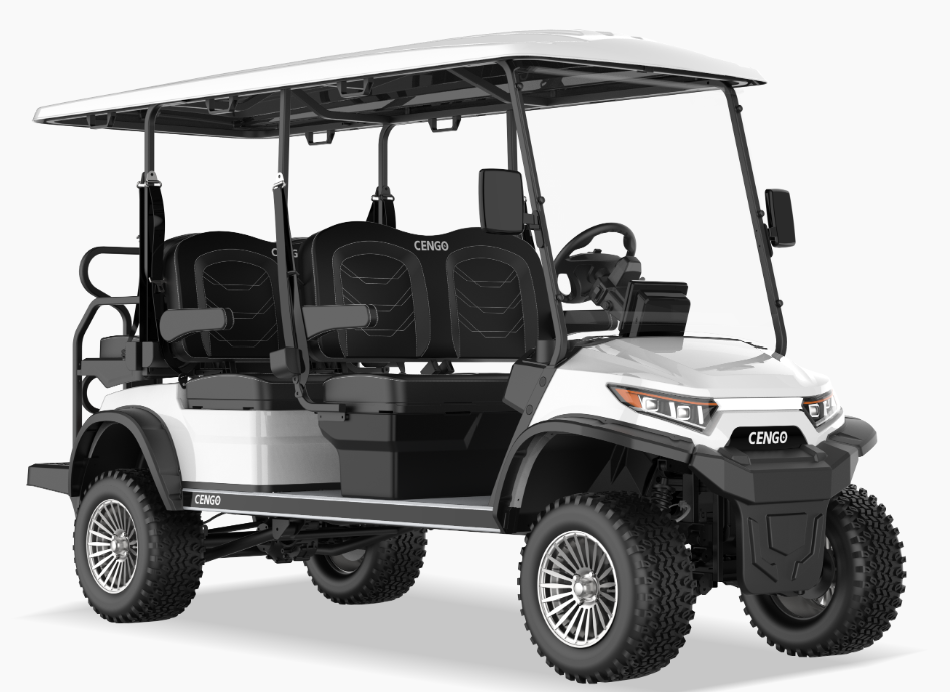
Rear suspension configurations also matter significantly when transporting multiple passengers and their luggage. An integral rear axle combined with robust hydraulic shock absorbers provides essential structural support for heavier four-seater or six-seater vehicle configurations. These specialized engineering details contribute to a superior guest experience, potentially reducing complaints about bumpy rides during scenic property tours.
Safety Standards and Reliable Braking Performance
Strict safety standards represent a critical operational priority when navigating motorized vehicles through pedestrian areas or undulating resort landscapes. Fleet managers must rigorously assess the braking systems offered by different industry suppliers. Four-wheel hydraulic brakes and disc braking options offer reliable stopping power, essential when carrying heavy equipment loads or navigating steep downhill paths.
Commercial parking brake technology should also be carefully scrutinized during the procurement process. Electromagnetic parking systems provide consistent and automatic holding power when vehicles are temporarily parked on steep inclines. Steering accuracy, facilitated by bi-directional rack and pinion steering systems, further supports safe and precise maneuverability around tight corners, parking areas, and narrow resort walkways.
Fleet Customization and Brand Integration
Maintaining cohesive branding is important for large hospitality properties. The ability to fully customize vehicle aesthetics can help integrate the fleet into the resort’s overall visual identity. Buyers should ask suppliers about customized paint colors, branded logo placements, and specialized seating materials. High-quality painted injection molding can offer enhanced exterior durability against harsh outdoor weather conditions.
Functional customization remains just as necessary for specialized daily maintenance teams. Depending on the specific commercial application, resorts might need folding front windshields, custom lockable storage compartments, or upgraded off-road tires. Functional additions like USB charging ports can enhance travel convenience for guests, while custom aluminum cargo beds assist groundskeeping teams with heavy daily property maintenance tasks.
Evaluating Post-Purchase Support and Technical Warranties
A busy commercial fleet requires ongoing preventative maintenance, making reliable post-purchase support a critical evaluation metric. Buyers should carefully review the written warranty terms provided for key automotive components, including the vehicle chassis, electric motor, and battery systems. Comprehensive warranties can help businesses manage unexpected repair costs and maintain a predictable operational budget over the vehicle’s lifespan.
Fast access to replacement spare parts and technical assistance is vital for minimizing commercial vehicle downtime. Manufacturers that maintain strong international distribution networks and provide accessible engineering support can help resorts resolve mechanical issues swiftly. Ongoing technical guidance from the supplier can also benefit local distributors and internal resort maintenance staff, ensuring long-term operational stability.
Making the Final Fleet Procurement Decision
Selecting a reliable commercial supplier involves carefully balancing technical vehicle performance, safety components, visual customization options, and long-term aftermarket support. By conducting a thorough technical review, commercial buyers can accurately identify manufacturers capable of delivering high-quality utility vehicles. This strategic approach to procurement helps resorts build a dependable motorized fleet that supports operational efficiency and enhances guest experiences.
When upgrading a hospitality fleet, partnering with an established vehicle manufacturer can provide immediate access to advanced electric technology and reliable structural designs. CENGO brings extensive industry experience, specialized large-scale production infrastructure, and highly customizable commercial utility vehicles — making it a strong partner for procurement professionals seeking durable transport solutions.