Product weight can vary dramatically between snack packs, bottled goods, pharmaceutical items, and industrial components, so weighing equipment needs to reflect the actual production range rather than relying on a single nominal figure. Checkweigher selection becomes more meaningful once target weight, package dimensions, line speed, and acceptable tolerance are considered together. Easyweigh provides checkweighing equipment. It is designed for production lines. The wider principle is simple. Weighing capability should match the product being handled.
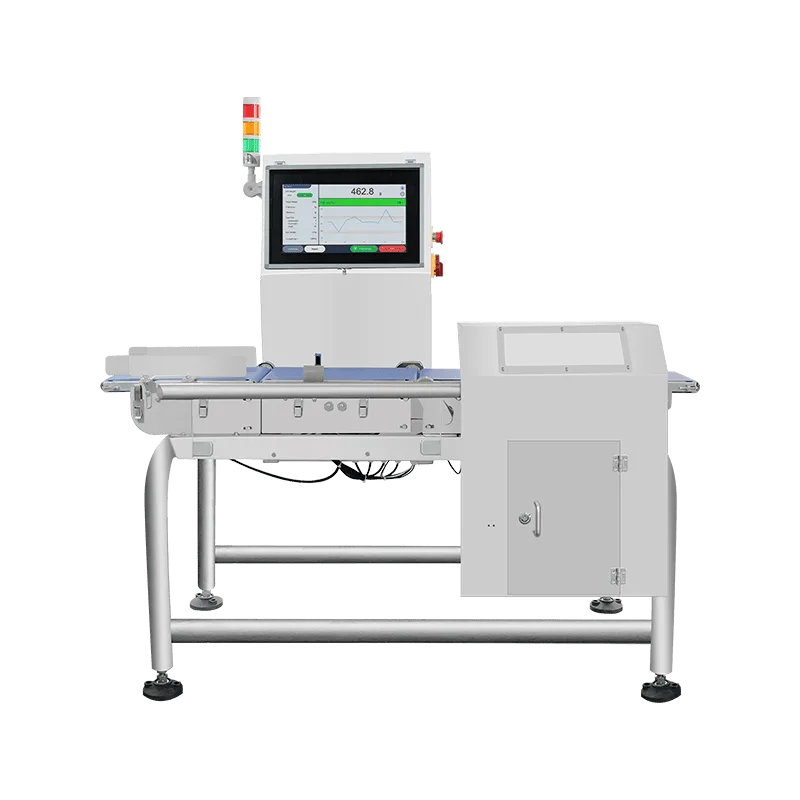
Understanding The Product Weight Range
Target weight should be the starting reference rather than the maximum capacity printed on an equipment specification sheet. Products that weigh only a few grams require different handling characteristics from cartons weighing several kilograms. Operating close to the appropriate measurement range can also help maintain stable results.
Minimum and maximum package weights deserve separate consideration. A line handling several formats may need sufficient flexibility to accommodate future products without forcing every item through an oversized weighing range.
Product variation matters just as much. Powder-filled sachets, liquid containers, and irregularly shaped packages may behave differently as they travel across the weighing section. Weight range therefore needs to be considered alongside product movement and physical presentation.
Matching Capacity With Accuracy
Capacity describes how much weight the equipment can handle, but it does not by itself describe practical weighing performance. Sensitivity, resolution, belt configuration, and product transfer all influence the quality of measurements obtained during continuous production.
Tolerance should reflect the commercial and regulatory requirements of the product. Excessively narrow limits may create unnecessary rejects, while excessively broad limits can allow undesirable weight variation to pass unnoticed. Suitable parameters should be established from actual product specifications.
Packaging contributes another variable. Lightweight pouches can shift position during conveyance, whereas rigid cartons usually maintain a more predictable footprint. Equipment configuration should account for these differences rather than treating every package as mechanically identical.
Considering Line Speed And Product Flow
Throughput changes the amount of time available for each weighing cycle. Faster conveyors demand efficient product spacing so that individual packages can be measured without interference from neighboring items.
Spacing becomes especially important on busy production lines. Overlapping packages, unstable transfers, or inconsistent intervals can affect measurement reliability even if the weighing capacity itself is appropriate.
Product flow also influences conveyor dimensions. Long cartons may require greater belt length for stable movement, while compact products can often travel through a shorter weighing section. Practical testing under production conditions provides useful insight before equipment specifications are finalized.
Evaluating Different Product Formats
Powdered goods can shift internally during transportation, which may cause temporary weight movement across the weighing section. Stable conveying conditions help reduce this influence and provide more consistent measurements.
Liquid-filled containers present another consideration because their contents may continue moving after acceleration or transfer. Conveyor speed, belt length, and handling direction can therefore matter alongside nominal product weight.
Mixed-product lines create a broader challenge. Different package sizes and weights may require adjustable settings, suitable recipes, or flexible conveyor arrangements. Such capability can be valuable for manufacturers that regularly switch between product formats.
Managing Rejects And Production Data
Weight inspection has practical value only when out-of-tolerance products can be handled appropriately. Reject mechanisms should correspond with package dimensions, product fragility, conveyor speed, and the consequences of removing an incorrect item. Testing reject mechanisms with representative samples during product changeovers helps verify that the system responds correctly before live production resumes.
Record keeping can support quality investigations as well. Weight trends may reveal gradual filling variation before the issue becomes more significant, allowing production teams to examine upstream filling or packaging processes. Plotting these trends over weekly or monthly intervals can highlight subtle shifts that might otherwise go unnoticed until they trigger a rejection spike.
Calibration and routine verification should form part of normal operation. Reference weights, scheduled checks, and documented procedures give operators a consistent way to assess whether measurements remain within the intended range. Storing calibration records alongside production logs also provides a clear audit trail, making it easier to distinguish between equipment drift and actual process variation when investigating weight anomalies.
OEM/ODM Flexibility for Evolving Product Lines
Product ranges rarely stay fixed. A line that handles 200-gram snack packs today may later run 500-gram cartons or switch to sachets with different dimensions. Easyweigh accommodates such changes through OEM and ODM projects. Weighing capacity, belt width, reject type, and software presets can be adjusted during development. Interface language and data output may also be customized. Before delivery, trial runs with actual products verify that the chosen configuration meets accuracy targets.
After installation, operator training, spare parts, and technical assistance remain available. When new formats are introduced, the system can be updated through modular changes or software revisions rather than full replacement. This flexibility supports long-term production planning without forcing the line to adapt to a fixed checkweigher design.
Making The Right Equipment Match
The most suitable checkweigher is determined by the relationship between product weight and the entire production process. Capacity, tolerance, package shape, throughput, conveying stability, and reject requirements should be reviewed together rather than assessed in isolation.
Future requirements deserve attention before installation as well. Product launches, larger packages, faster output, or wider weight ranges can change the demands placed on weighing equipment. Flexible specifications may therefore provide greater practical value than equipment selected solely around today’s product.
Ultimately, reliable weight control comes from matching equipment characteristics to real manufacturing conditions. Product trials and clearly defined weight requirements are essential when selecting equipment that fits the intended production environment; Easyweigh can serve as a reference in evaluating available checkweighing solutions.