

A robotic lawn mower can be worth it for a small yard when the goal is to save time, keep grass consistently trimmed, and reduce the hassle of storing and pushing a traditional mower. Small lawns may seem quick to handle, but regular mowing still demands attention during fast-growing weeks. A robot mower turns that recurring chore into an automated routine. For many homeowners, the value comes less from raw cutting power and more from convenience, cleaner-looking results, and quieter operation. The right model can make small-yard maintenance feel almost effortless while improving day-to-day lawn consistency.
Small Yard Challenges That Robotic Lawn Mowers Can Solve
Frequent Mowing Needs Can Take Up Valuable Time
Small yards still need frequent mowing, especially in spring and early summer when growth speeds up. Even if each session only takes twenty minutes, that time adds up across a season. A robotic lawn mower solves this by handling regular cuts automatically, often on a preset schedule that keeps grass at a stable height. Because it trims a little at a time, homeowners avoid the stop-and-start cycle of waiting too long, then making a heavier cut. That steady routine also reduces the need to plan weekends around lawn care. For busy households, the biggest benefit is simple: less time spent mowing and more time using the yard for relaxing, playing, or entertaining.
Uneven Growth and Missed Spots Affect Lawn Appearance
A small yard can look untidy quickly when certain areas grow faster than others or when mowing patterns leave thin strips untouched. Corners, edges, and narrow passages often reveal these inconsistencies first. A robotic lawn mower helps by cutting more often and maintaining a uniform height across the lawn, which supports a neater, more polished appearance. Regular trimming also encourages finer clippings to settle back into the turf instead of piling up. That can help the lawn look cleaner between cuts. For homeowners who want a consistently well-kept yard without having to monitor every patch of grass, automation offers a practical way to improve visual results with less manual effort.
Limited Storage Space Makes Traditional Mowers Less Convenient
Storage matters more in smaller properties, where garage space, sheds, and side yards are often limited. A traditional mower can be awkward to store, especially alongside tools, bikes, and seasonal items. Fuel containers, charging equipment, and bulky handles only add to the inconvenience. A robotic lawn mower usually takes up less room and stays docked in a designated outdoor charging area, reducing clutter indoors. That setup is especially helpful for homeowners who do not want to lift, wheel out, and put away equipment every week. In a compact home environment, convenience is not just about mowing time. It also includes how easily lawn care fits into the available space and daily routine.
What to Check Before Choosing a Robotic Lawn Mower
Battery Life and Coverage Area Match Different Yard Sizes
Battery performance and coverage should be checked first, even for a small lawn. A mower that can comfortably handle more space than your yard size will usually maintain a steadier schedule and require fewer interruptions. The MOVA Lidax Ultra 3000 AWD Robotic Lawn Mower uses a 36V battery that supports consistent mowing performance for up to 0.75 acres, giving small-yard owners ample capacity rather than operating at the limit. That extra headroom can be useful if the lawn includes separate sections or thicker grass during peak growing periods. Choosing a model with suitable coverage helps ensure reliable cutting, efficient charging cycles, and less stress on the machine over time, which supports better long-term value.
Navigation Features Improve Performance in Complex Small Yards
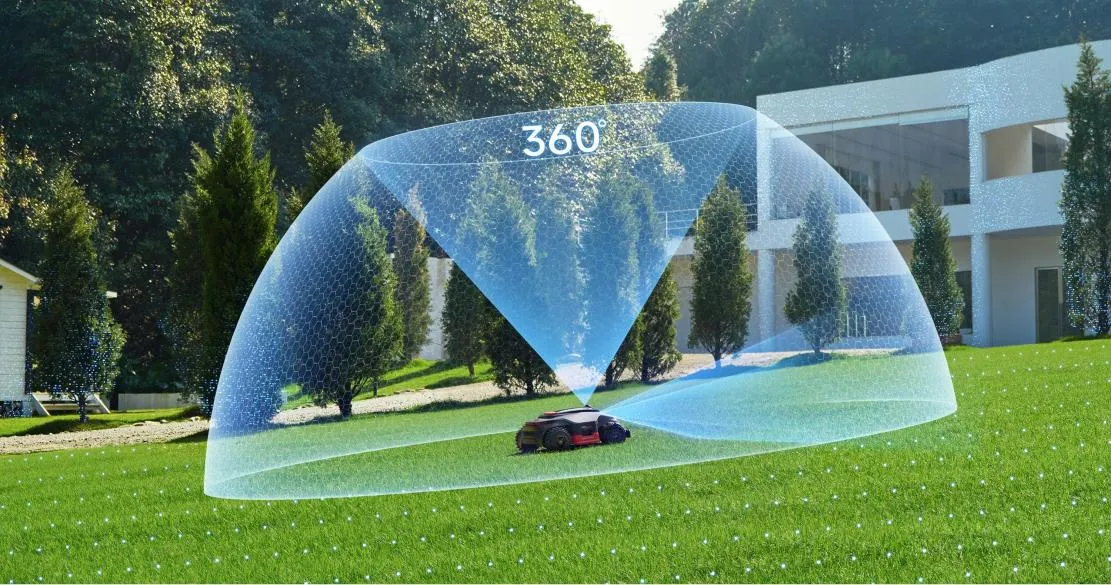
Small yards are not always simple. Many include tight turns, decorative borders, garden beds, narrow side strips, or patios that interrupt the mowing path. Strong navigation features make a major difference in how well a robotic mower performs in those spaces. The MOVA Lidax Ultra 3000 AWD Robotic Lawn Mower uses UltraView™ 3.0 with 360° 3D LiDAR and AI Dual Vision to distinguish grassy and non-grassy areas, define lawn edges, capture environmental point cloud data, and generate a 3D map with virtual boundaries in minutes. For compact properties, that matters because precision often counts more than raw size capacity. Better navigation means fewer missed areas, cleaner edge control, and smoother operation around obstacles.
Maintenance Requirements Affect Long-Term Convenience
A robotic lawn mower should reduce work, not replace one chore with another. Before buying, check how often blades need replacement, how easy the underside is to clean, and whether software updates or seasonal storage steps are straightforward. Small-yard owners often prioritize convenience, so maintenance demands can strongly affect overall satisfaction. Models that are simple to rinse, inspect, and restart after weather changes tend to fit everyday use better. It is also helpful to understand how the charging station, boundary setup, and routine checks work over time. When upkeep is manageable, the mower remains a true time-saver. Long-term convenience comes from reliable performance paired with easy, predictable maintenance throughout the mowing season.
Conclusion
For small yards, a robotic lawn mower is often worth it because it saves time, keeps grass looking more even, and removes much of the effort tied to routine mowing. It also suits homes where storage space is limited and weekly lawn care feels like a recurring interruption. The key is choosing a model with the right coverage, smart navigation, and manageable maintenance needs. When those factors align, a robotic mower delivers practical everyday value rather than novelty. For homeowners who want a consistently tidy lawn with less hands-on work, it is a strong and worthwhile investment.