Medical enterprises are increasingly evaluating advanced visualization tools for training, simulation, and professional demonstrations. Display technology plays an important role because image quality, comfort, and device design can influence practical use. When comparing Micro-OLED and LCD displays, buyers need to understand how each technology works and how it fits different medical environments. GOOVIS develops high-definition near-eye display solutions based on optical technology, providing options for users who require detailed and comfortable visual experiences.
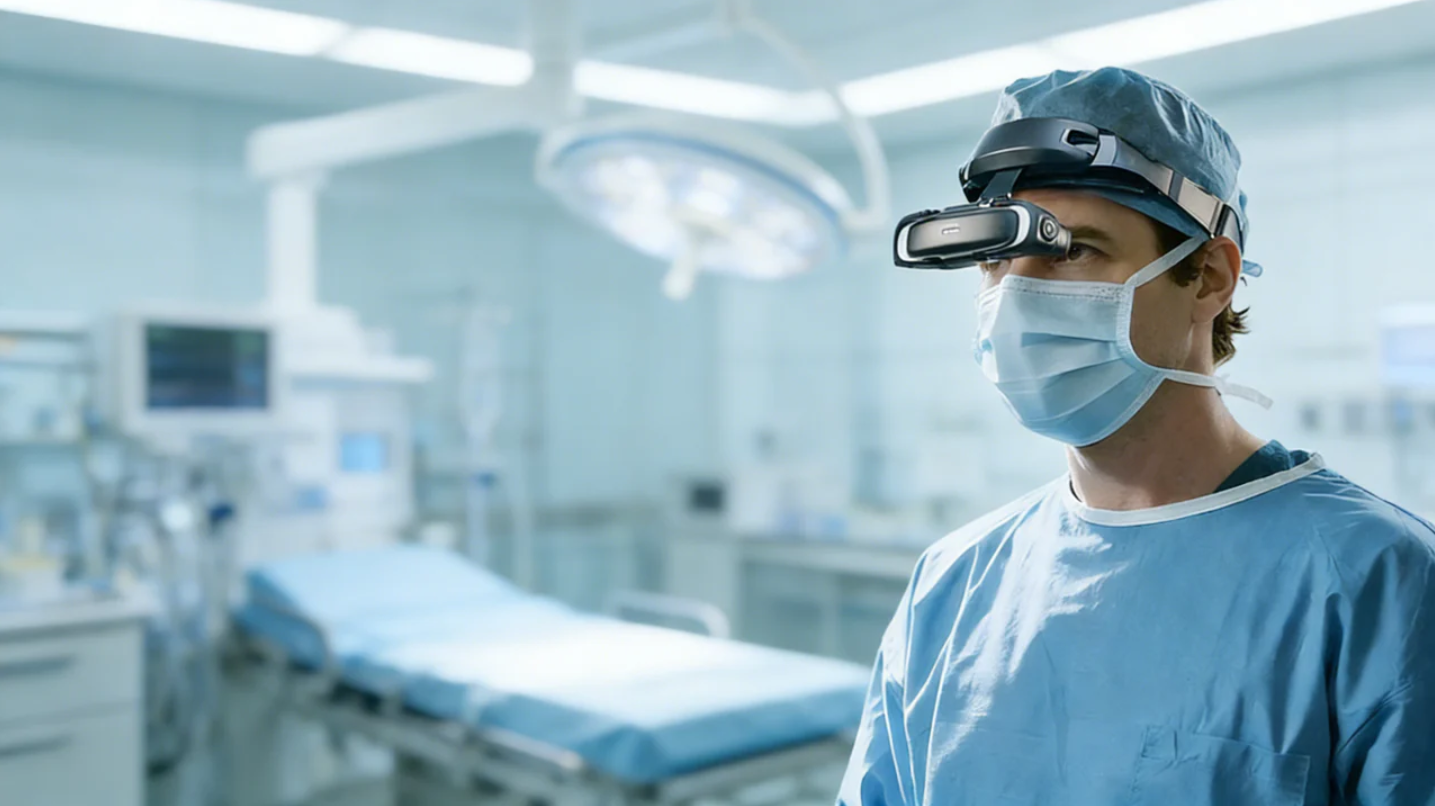
Comparing Micro-OLED and LCD Technology for Medical Applications
Micro-OLED and LCD displays use different methods to create images. Micro-OLED panels use self-emissive pixels that generate their own light, while LCD panels rely on a backlight system passing through liquid crystal layers. These structural differences affect contrast, design flexibility, and how displays are integrated into professional equipment.
For medical buyers, display selection should consider the complete system instead of only the panel type. In near-eye devices, the optical module works together with the display to enlarge and present images. A high-quality optical structure can influence image clarity, distortion control, and overall viewing comfort during professional use.
How Head Mounted Display Solutions Support Medical Visualization
A head mounted display combines micro-displays, optical components, and sensors to create a large virtual viewing experience in front of the user. In healthcare environments, this type of device can support applications such as education, simulation training, and professional content demonstrations where focused visual information is required.
Micro-OLED technology is often considered for near-eye applications because its compact structure can support lightweight device designs. For medical institutions, this capability can be useful when users need to view detailed materials without relying on large shared screens. The final experience still depends on optical design, adjustment functions, and overall hardware integration.
Healthcare organizations should also consider how frequently the equipment will be used. Training programs and repeated demonstrations require devices that provide stable image quality and comfortable operation. A balanced design can help improve acceptance among different users, including educators, trainees, and professional teams.
Evaluating Image Quality Factors Between Micro-OLED and LCD
Image quality is one of the main factors when comparing Micro-OLED and LCD displays. Micro-OLED technology can provide high contrast performance because individual pixels control their own light output. This characteristic can help present detailed visual information in environments where image depth and clarity are important.
LCD technology remains widely used in many display applications because of its mature manufacturing process and established usage experience. It can meet many general display requirements, especially when organizations need larger screens for shared viewing. However, wearable display systems require additional consideration of size, optical structure, and user comfort.
For enterprise clinical buyers, the right choice depends on application requirements. A device used for medical simulation may have different priorities compared with a display used for general information presentation. Understanding these differences helps organizations select suitable equipment for their specific workflow.
The Role of HMD VR Devices in Healthcare Training
An HMD VR device can provide a more flexible approach for clinical training and visualization. Instead of depending on fixed displays, wearable systems allow individual users to access detailed visual content in a private viewing environment. This can support educational activities, product demonstrations, and professional learning scenarios.
When selecting wearable display equipment, medical buyers should review several elements together. Resolution, optical performance, wearing comfort, and compatibility with existing content systems all influence the practical value of the device. Display technology is only one part of the complete solution.
GOOVIS focuses on near-eye display products that combine optical engineering and ergonomic design. Their devices include features such as high-definition image presentation, adjustable diopter functions, and low distortion performance. These features are designed to support users who need clear visual experiences in different professional environments.
Why Optical Design Matters in Medical Near-Eye Displays
The relationship between display panels and optical systems determines the final viewing effect. Even a high-resolution display requires suitable optical components to deliver clear images. Poor optical design may affect image sharpness, distortion control, and viewing comfort.
For professional applications, these factors are especially relevant because users may view complex visual materials during training or demonstrations. A suitable near-eye solution needs to balance display performance with practical wearing conditions. Lightweight structures and adjustment options can influence long-term usability.
GOOVIS applies optical technology development to create near-eye display solutions for professional and consumer scenarios. Their approach focuses on improving image presentation while considering user comfort. This combination helps address the needs of users who require private and immersive viewing experiences.
Making the Right Display Choice for Healthcare Enterprises
Micro-OLED and LCD displays each have their own characteristics, and neither technology applies to every situation. LCD can support many traditional display requirements, while Micro-OLED may be suitable for compact near-eye systems that require detailed image presentation and immersive viewing.
Enterprise buyers should evaluate their project goals, usage environment, and user requirements before choosing display equipment. An HMD VR solution with suitable display technology can support medical education, simulation, and professional demonstrations by providing flexible visual access.
Selecting the right display solution requires a complete evaluation of technology, optical design, and practical application value. By understanding the differences between Micro-OLED and LCD, healthcare organizations can make more suitable decisions for future visualization projects.