
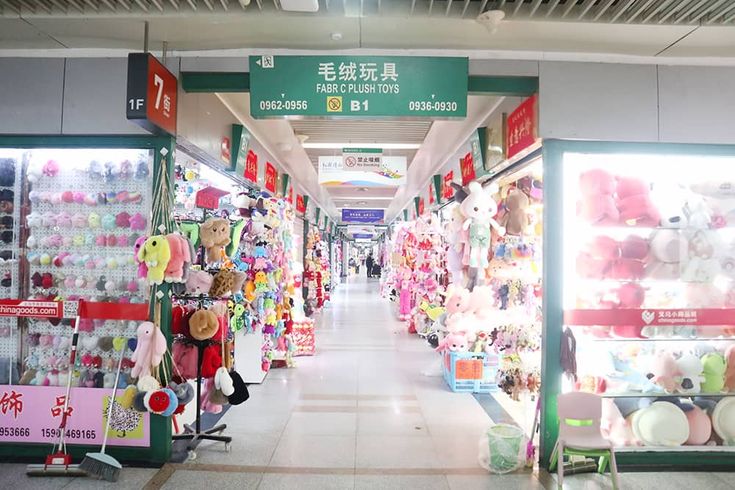
Yiwu, home to the world’s largest wholesale market for small commodities, attracts hundreds of thousands of international buyers every year. With over 75,000 booths spread across the Yiwu International Trade City, the variety is staggering — but so is the risk of encountering unreliable suppliers. Whether you are a first-time buyer or a seasoned importer, knowing how to separate trustworthy partners from bad ones is the single most important skill you can develop.
This guide breaks down the process into actionable steps that help you identify, verify, and build relationships with reliable Yiwu suppliers.
Start with Online Research Before You Go
Before booking a flight to Yiwu, do your homework online. Platforms like Alibaba, Global Sources, and Made-in-China.com list thousands of suppliers based in or near Yiwu. Use these platforms to shortlist candidates based on product category, export experience, and customer reviews.
Look for suppliers with the following indicators:
●Verified supplier badges on B2B platforms, which indicate that a third party has checked the company’s legal registration and production capacity.
●Response rate and time — suppliers who respond within 24 hours typically have dedicated export sales teams.
●Transaction history — platforms like Alibaba show the number of transactions and repeat buyer rates, both strong signals of reliability.
●Years in business — suppliers with five or more years of export experience generally have more stable quality control processes.
Shortlist five to ten suppliers per product category so you have alternatives when you visit Yiwu in person.
Visit Yiwu International Trade City in Person
Online research only takes you so far. The Yiwu International Trade City (also known as Futian Market) is where you see products, meet suppliers face to face, and gauge professionalism firsthand.
When visiting booths, pay attention to these details:
●Booth organization — a well-organized booth with clear product displays and updated catalogs usually reflects a more professional operation.
●Product samples — inspect the quality of displayed samples carefully. Ask to see products that are not on display, as the best items are often kept behind the counter.
●Business card details — a legitimate supplier’s business card should include a registered company name, physical address, phone number, and website. Cross-check the company name with online records.
●Willingness to communicate — reliable suppliers answer questions about materials, production capacity, and lead times without hesitation. Vague or evasive answers are a red flag.
Verify Supplier Credentials
Once you have identified potential suppliers, conduct a formal verification process. This step is non-negotiable if you plan to place substantial orders.
Check the Business License
Every legitimate supplier in China must hold a business license registered with the local Administration for Market Regulation. Ask the supplier for a copy of their license and verify the following:
●The company name matches what appears on their business card and B2B platform profile.
●The registered capital — while not a guarantee of quality, extremely low registered capital (under 100,000 RMB) may indicate a small trading company rather than a manufacturer.
●The business scope includes manufacturing or trading of the specific product category you are sourcing.
Request Export Qualifications
Suppliers who export directly need an Import-Export License and a Customs Registration Certificate. If a supplier cannot provide these, they are likely using a third-party trading company to handle exports, which adds a layer of cost and reduces your control over the transaction.
Look for Relevant Certifications
Depending on your target market, ask for product-specific certifications such as CE for the European Union, FCC for the United States, or RoHS for restricted substances. Legitimate suppliers will have these documents ready and will not hesitate to share them.
Request Samples and Test Quality
Never place a bulk order without first receiving and testing product samples. This is the most effective way to evaluate whether a supplier can meet your quality expectations consistently.
●Request samples of the exact product specification you intend to order, not a generic sample.
●Test the samples for durability, material composition, finish quality, and packaging.
●Compare samples from at least three different suppliers before making a decision.
●If possible, hire a third-party inspection company to test the samples against industry standards.
Reliable suppliers understand that sampling is part of the process and will charge a reasonable fee — or refund it upon bulk order placement. Suppliers who refuse to provide samples or demand unreasonable upfront payments should be avoided.
Start with a Small Trial Order
Even after successful sampling, do not immediately commit to a large order. Place a small trial order — typically 20% to 30% of your planned volume — to test the supplier’s production consistency, communication, and on-time delivery.
Use this trial order to evaluate:
●Production lead time — does the supplier deliver within the agreed timeframe?
●Quality consistency — does the bulk product match the sample quality?
●Packaging and labeling — are products packaged correctly for international shipping?
●Communication responsiveness — does the supplier keep you updated throughout production?
If the trial order meets your expectations, gradually scale up. If problems arise, you have limited your financial exposure.
Consider Working with a Yiwu Sourcing Agent
For buyers who lack the time, language skills, or experience to manage supplier verification independently, a Yiwu sourcing agent can be an invaluable partner. A reputable sourcing agent provides:
On-the-ground market knowledge and supplier networks built over years of experience.
Factory audits and quality inspections conducted by local professionals.
Order consolidation services that reduce shipping costs when buying from multiple suppliers.
Translation and negotiation support to ensure clear communication and fair pricing.
When choosing a sourcing agent, ask for references, review their track record, and confirm that they work on a transparent fee structure — whether commission-based, fixed-fee, or a combination of both.
Build Long-Term Relationships
Finding a reliable supplier is not a one-time transaction — it is the start of a partnership. Suppliers who trust you are more likely to offer better pricing, priority production slots, and flexibility on MOQ (Minimum Order Quantity).
To build a strong long-term relationship:
●Pay on time and honor agreed-upon terms.
●Provide clear and detailed product specifications to avoid misunderstandings.
●Visit your key suppliers at least once a year to maintain the personal connection.
●Give constructive feedback on quality issues rather than simply canceling orders.
Conclusion
Finding reliable suppliers in Yiwu requires a combination of online research, in-person verification, sample testing, and relationship building. There are no shortcuts — but the effort you invest in due diligence pays off through consistent product quality, competitive pricing, and a supply chain you can depend on. Whether you choose to navigate the market independently or work with a professional sourcing agent, the principles remain the same: verify everything, start small, and build trust over time.