Introduction
The living room is often considered the heart of the home. It is where families gather, guests are welcomed, and many memorable moments take place. Because this space serves multiple purposes, its design should be both inviting and reflective of your personal style. While furniture, lighting, and flooring all contribute to the overall atmosphere, wall art is one of the most effective ways to give a living room character and visual appeal.
Choosing the right wall art can completely change the mood of a room. Whether your style is modern, minimalist, traditional, rustic, or contemporary, carefully selected artwork creates a focal point that ties the entire design together. From abstract paintings to nature-inspired prints, there are endless options that allow homeowners to personalize their interiors while enhancing comfort and elegance.
This guide explores the importance of living room wall art, popular styles, placement ideas, and practical tips for selecting artwork that complements your home.
Why Wall Art Matters in the Living Room
Wall art does much more than decorate empty walls.
It helps create balance, introduces color, expresses personality, and makes the room feel complete. A thoughtfully chosen artwork can transform a plain living space into an environment that feels warm, stylish, and welcoming.
Some benefits of decorating with wall art include:
- Adding personality to your home
- Creating visual interest
- Introducing color and texture
- Enhancing the overall atmosphere
- Making large walls feel complete
- Reflecting your individual taste
Even simple artwork can dramatically improve the appearance of a living room.
Choosing the Right Style
Selecting artwork begins with understanding your interior design style.
Modern Art
Modern living rooms often feature clean lines and neutral color palettes.
Popular artwork includes:
- Abstract paintings
- Geometric prints
- Minimalist illustrations
- Black and white photography
These designs create a sophisticated and uncluttered appearance.
Nature-Inspired Artwork
Nature themes bring calmness into indoor spaces.
Popular choices include:
- Mountain landscapes
- Forest scenes
- Ocean views
- Botanical illustrations
- Floral prints
Natural imagery creates a relaxing atmosphere while adding freshness to the room.
Classic Artwork
Traditional interiors often pair well with timeless artwork.
Examples include:
- Historical paintings
- Elegant portraits
- Architectural illustrations
- Vintage landscapes
Classic pieces add refinement and elegance.
Contemporary Art
Contemporary artwork combines creativity with current design trends.
Many homeowners choose:
- Mixed media
- Colorful abstract pieces
- Artistic photography
- Textured canvas prints
These works create strong visual impact while complementing modern furniture.
Selecting the Right Size
Artwork size should match the dimensions of the available wall space.
Large walls often benefit from:
- Oversized canvas prints
- Gallery walls
- Multi-panel artwork
Smaller areas may look better with:
- Single framed prints
- Compact canvas art
- Coordinated picture arrangements
Maintaining proper proportions helps create visual harmony.
Choosing Colors That Complement Your Decor
Artwork should enhance the existing color scheme rather than compete with it.
You can:
- Match artwork with furniture colors.
- Introduce complementary accent colors.
- Use neutral artwork for minimalist interiors.
- Select vibrant pieces to create a focal point.
Color coordination contributes to a cohesive interior design.
Creating a Gallery Wall
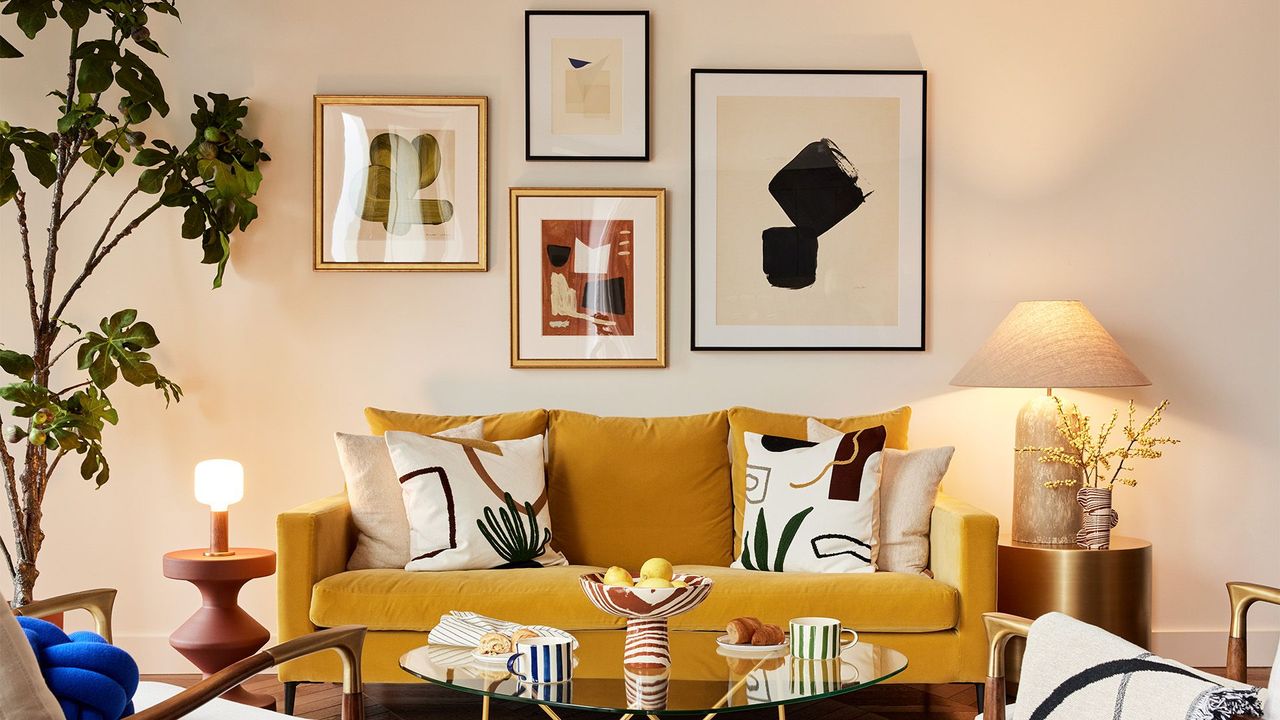
Gallery walls continue to be one of the most popular decorating trends.
A gallery wall may include:
- Family photographs
- Abstract artwork
- Inspirational quotes
- Travel photography
- Botanical prints
Maintaining consistent spacing between frames creates a polished appearance.
Placement Tips
Proper placement improves both aesthetics and functionality.
General recommendations include:
- Hang artwork at eye level.
- Center pieces above sofas.
- Leave balanced spacing around furniture.
- Use symmetrical arrangements where appropriate.
- Consider lighting to highlight important artwork.
Thoughtful placement enhances the overall design of the room.
Homeowners looking for additional decorating inspiration can explore this page to discover creative living room wall art ideas, design styles, and artwork options that complement a wide variety of home interiors.
Popular Living Room Wall Art Trends
Interior design trends continue evolving while offering homeowners countless creative possibilities.
Current favorites include:
Oversized Statement Pieces
Large artwork creates a dramatic focal point and works especially well in spacious living rooms.
Neutral Color Palettes
Soft earth tones, beige, gray, and warm whites remain popular because they complement many decorating styles.
Textured Canvas Art
Textured artwork adds depth and creates visual interest beyond traditional flat prints.
Personalized Artwork
Many homeowners enjoy displaying customized family photos, meaningful quotes, or travel memories to create unique interiors.
Maintaining Your Wall Art
Proper care helps preserve artwork for years.
Helpful maintenance tips include:
- Dust frames regularly.
- Avoid direct sunlight.
- Keep artwork away from excessive moisture.
- Use appropriate hanging hardware.
- Clean glass carefully using suitable materials.
Regular maintenance helps artwork retain its beauty over time.
Benefits of Decorating with Wall Art
Adding artwork to your living room provides numerous advantages.
It can:
- Make the room feel more inviting
- Improve visual balance
- Express personal style
- Create conversation pieces
- Enhance overall home value
- Increase enjoyment of everyday living spaces
Thoughtfully selected artwork contributes to both comfort and aesthetics.
Frequently Asked Questions (FAQs)
Why is wall art important in a living room?
Wall art adds personality, creates visual interest, introduces color, and helps make the room feel complete and welcoming.
How do I choose the right size artwork?
Select artwork that is proportional to the wall and nearby furniture. Large walls typically accommodate larger pieces, while smaller spaces benefit from more compact artwork.
What style of wall art is most popular?
Popular styles include abstract art, nature-inspired prints, contemporary designs, black and white photography, and personalized artwork.
Where should wall art be placed?
Artwork is usually displayed at eye level and centered above furniture such as sofas or fireplaces to create balanced visual composition.
Can wall art increase the appeal of a home?
Yes. Well-chosen artwork enhances interior design, creates a more inviting atmosphere, and can positively influence the overall appearance of a home.
Conclusion
Living room wall art is much more than a decorative accessory—it is an essential design element that brings personality, warmth, and balance into one of the most important spaces in the home. Whether you prefer modern abstracts, timeless landscapes, nature-inspired prints, or personalized artwork, selecting pieces that complement your interior style creates a more welcoming and visually appealing environment.
By considering size, color, placement, and overall design harmony, homeowners can transform ordinary walls into meaningful focal points that reflect their personal taste. With thoughtful planning and creative inspiration, living room wall art becomes a lasting investment that enhances both everyday living and the overall beauty of your home.