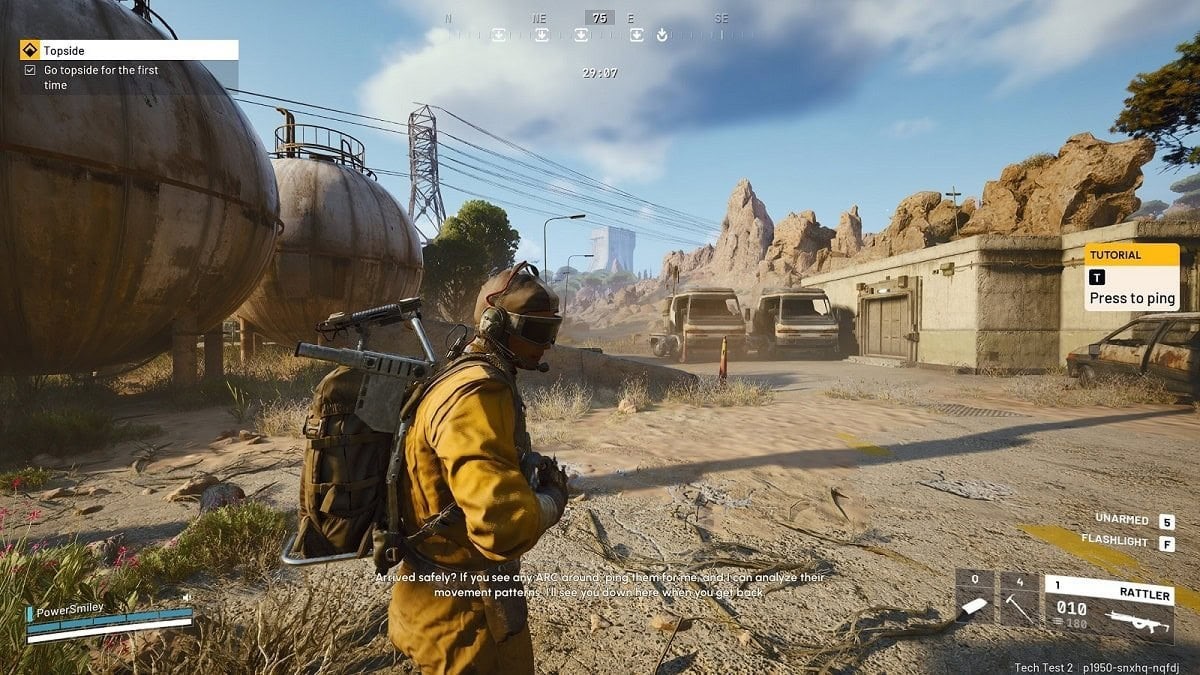
ARC Raiders has been one of the defining games of the post-2025 era. Since its October 2025 launch, Embark Studios’ extraction shooter has sold more than 15 million copies, pulls roughly six million players a week, and peaked near a million concurrent across PC, PlayStation and Xbox last winter. But like every game in its genre, ARC Raiders rewards preparation as much as raw aim. The players who progress fastest are rarely just the best shooters — they are the ones who plan their raids, tune their setup, and know exactly what they are going in for. Behind that speed sits a stack of tools and services. Here is what powers the fastest raiders in 2026.
Why ARC Raiders Rewards Efficiency, Not Just Aim
Extraction shooters are unforgiving by design. You drop in with gear, try to accomplish something, and have to extract alive to keep what you earned. Die before extraction and the run is wasted — gear, loot and time gone. That structure puts a premium on efficiency: knowing where to go, what to grab, when to fight and when to leave. Time spent wandering is time spent exposed, and exposure is how raiders lose everything they brought in.
ARC Raiders adds its own pressures. Crossplay means every lobby is full and competitive. Expeditions — the game’s seasonal progression resets — put a clock on progress, rewarding players who can climb efficiently before the cycle turns over. And high-value targets like the giant ARC enemy introduced in the Riven Tides update reward coordinated, well-prepared squads while punishing improvisation. The fastest players treat every raid as a planned operation rather than a stroll, because preparation does not just save time — it protects the progress they have already banked.
| In an extraction shooter, the run is won before you load in. Preparation is the difference between extracting and losing everything. |
The Fast-Player Toolkit at a Glance
No single tool makes a fast raider. Speed comes from stacking them across three layers — knowledge to plan, performance to execute, and progress services to skip the slowest grind. The table ranks them by how much time each typically saves a serious player.
| Tool / service | Layer | Time saved | Best for |
|---|---|---|---|
| Progress / carry services | Progress | High — whole objectives | Slow grinds, Expeditions, high-risk raids |
| Maps & loot-route guides | Knowledge | 20–40 min per run | Planning routes and extractions |
| Meta & build guides | Knowledge | Hours per patch | Adapting after major updates |
| Optimized settings (FPS/visibility) | Performance | Marginal but constant | Winning more fights per run |
| Audio setup (footsteps) | Performance | Run-saving info | Hearing squads before they hear you |
| Stat & loadout trackers | Knowledge | Identifies waste | Fixing what loses you runs |
Layer 1: Knowledge — Plan the Run Before You Load In
The first layer is information. Detailed maps, established loot routes and current meta guides let players plan a raid before they ever drop. They know which zones are worth the risk, where high-value loot tends to spawn, and which extraction points fit their route. This planning turns a chaotic raid into a checklist and cuts the time wasted on hesitation and backtracking.
Knowledge also has a shelf life. Now that Embark has moved to a small number of large updates a year rather than monthly patches, each drop changes loot tables, enemy behaviour and zone risk substantially. A route that was optimal before an update can become a trap after one. Staying current is part of the knowledge edge — which is exactly why fast raiders rely on guides that are actively maintained rather than year-old videos.
Layer 2: Performance — Remove the Technical Friction
The second layer is performance. In a game where clear sightlines and a few milliseconds decide fights, settings matter. Fast players tune their graphics for visibility and frame rate rather than spectacle, dial in their input setup, and make sure their hardware is not the bottleneck. None of this replaces skill, but it removes the technical friction that quietly costs runs.
Audio is the underrated piece. In an extraction shooter, hearing another squad before they hear you often decides whether a run ends at the extraction point or in a body bag. Players who invest in clean audio and learn to read footsteps gain a decisive edge that no amount of aim training replaces — a small setup change with an outsized effect on survival.
Layer 3: Progress Services — the Biggest Time Saver
The third layer is help with progress itself, and it delivers the largest time savings of all because it targets the slowest content. Some objectives in ARC Raiders are simply grindy — long crafting and blueprint chases, repetitive farming for upgrade materials, mastery progression, and Expedition climbs against a seasonal deadline. Embark has openly acknowledged that endgame depth is an ongoing challenge, which leaves dedicated players grinding the same loops for incremental gains.
That is where progress services fit. An ARC Raiders boost run by experienced players can handle assisted leveling, mastery progression, blueprint farming, and the high-risk raids that punish solo attempts — compressing a week of evenings into a delivered result. The logic is the same as every other tool here, just at a larger scale: spend the least time on the grind that teaches the least, and reserve your own play for the raids you actually want to run.
Putting the Toolkit Together
The raiders pulling ahead in 2026 are not relying on reflexes alone — they are stacking knowledge to plan, performance to execute, and services to skip the slowest stretches. Because most serious players juggle ARC Raiders alongside other live-service titles, many prefer to keep their progress help in one place: multi-title platforms such as xboosty.com cover ARC Raiders alongside the other forever-games a player runs, under a single accountable relationship. Assemble the toolkit, and the gap between a fast raider and an average one stops being about aim and starts being about preparation.
Frequently Asked Questions
What makes a player fast in ARC Raiders?
Preparation more than reflexes. The fastest players know the maps and loot routes, time their extractions well, tune settings for visibility and frame rate, invest in clear audio, and skip the slowest grind with progress services. They plan each raid before they load in rather than improvising.
Are progress and carry services allowed in ARC Raiders?
Progress services involve experienced players helping with leveling, mastery or raids rather than cheats or software. As with any game, they are governed by ARC Raiders’ terms of service, so it is worth checking the current rules and choosing account-safe methods before using one.
What are blueprints in ARC Raiders, and why farm them?
Blueprints are crafting recipes used to build gear and upgrades, and they are one of the more sought-after — and grindy — progression targets in the game. Their slow acquisition is exactly why blueprint farming is a common candidate for progress services.
Is ARC Raiders still worth getting into in 2026?
Population has come down from its launch peak, but with more than 15 million copies sold and roughly six million weekly players across crossplay, it remains one of the most-played extraction shooters. Fast matchmaking and the upcoming “Frozen Trail” expansion keep it healthy heading into late 2026.