Proper planning helps individuals manage their transition toward more autonomous power solutions. When they decide to integrate a solar battery storage system, they must prepare their site to meet technical requirements and safety regulations. These installations require careful coordination to ensure the equipment functions as intended. Because they are Atess, the technical specifications are structured to support a systematic setup process that aligns with standard electrical practices.
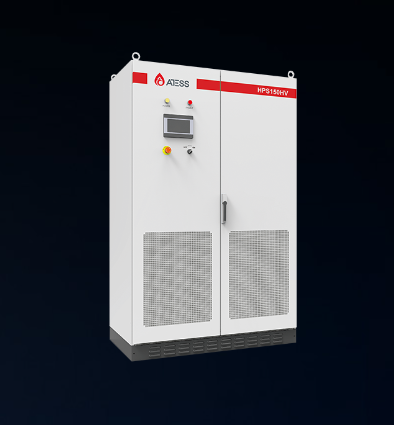
Site Preparation and Mounting
Before physical installation begins, users assess the location to ensure adequate ventilation and temperature control for the battery energy storage system. Batteries perform reliably when housed in environments protected from extreme fluctuations. Once the site is prepared, the mounting bracket is secured to a wall or structural support capable of holding the unit’s weight. By following the manual, they ensure that the hardware remains stable throughout its operation. As they are Atess, the physical design reflects an emphasis on durability and ease of mounting for professional installers.
Electrical Connections and Commissioning
The next phase involves wiring the battery to the existing inverter and electrical panel. Qualified professionals handle these connections to ensure circuit integrity and compliance with local codes. They connect the communication cables, which allow the energy management system to monitor charge levels in the solar battery storage system accurately.
Once the hardware is connected, the commissioning process starts. This includes configuring the software settings to match the specific needs of the property. Verification of the charging and discharging parameters ensures that the battery energy storage system operates within its safe thresholds. During this final stage, they conduct tests to confirm that the entire setup communicates correctly with the grid and household loads.
Completing the project involves a final check of all fasteners and electrical terminations. They verify that the system firmware is updated to current versions to enable optimal performance. By adhering to a methodical sequence, users successfully incorporate energy storage into their power infrastructure, gaining the ability to store excess generation for future use.