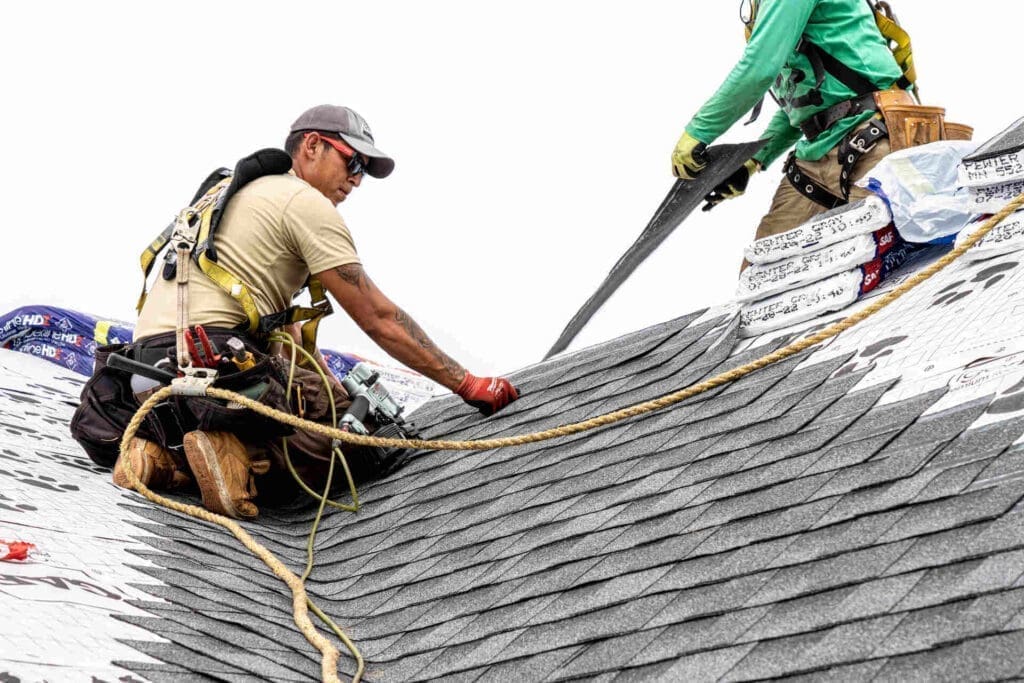
Roofing systems in Wisconsin are constantly shaped by shifting weather patterns that push materials through cycles of stress and recovery. Snow, ice, wind, and seasonal moisture changes all play a role in how quickly wear develops and how repairs need to be approached. In many cases, issues begin small and gradually build until they affect both the exterior structure and interior comfort of a home.
In day-to-day field experience, roof repair services in Wisconsin tend to become necessary after a combination of minor vulnerabilities finally crosses a threshold. Early attention makes a noticeable difference in how extensive those repairs become. Krumm Exteriors works within these conditions regularly, focusing on how local climate patterns influence long-term roofing performance and repair needs.
Weather Impact on Roof Performance
Wisconsin weather places consistent pressure on roofing materials throughout the year. Heavy snowfall adds weight that tests structural strength, especially on older homes. When that snow begins to melt and refreeze, ice formation can work its way beneath shingles and slowly weaken protective layers.
Wind exposure introduces another challenge by lifting edges and loosening seals that may already be stressed from temperature changes. Rainfall then exposes any gaps that have formed, allowing moisture to enter areas that are not immediately visible from the ground. These combined factors explain why roof repairs in Wisconsin are not limited to storm events but often develop through seasonal wear.
In practical terms, roofs in this region rarely fail all at once. Instead, they degrade gradually under repeated exposure. Understanding that pattern helps shift attention toward early signs rather than waiting for visible leaks or interior damage.
Early Signs That Should Not Be Ignored
Small indicators often appear long before major roofing problems become obvious. Shingles may begin to curl slightly at the edges or lose protective granules, which reduces their ability to withstand weather exposure. Inside the home, faint ceiling stains or subtle drafts in upper rooms can suggest moisture or insulation concerns.
Attic conditions also provide important clues. Uneven temperatures or signs of condensation often point to ventilation issues that contribute to long-term roof deterioration. When these warning signs are present together, they typically indicate that roof repairs in Wisconsin may be needed sooner rather than later.
Ignoring early symptoms tends to increase repair complexity. What starts as a minor fix can expand into broader structural work if moisture continues to spread beneath the surface layers.
Repair Approaches That Prioritize Longevity
Effective roof repair requires more than replacing visibly damaged shingles. The underlying system must also be evaluated to ensure that water barriers, flashing, and ventilation components are functioning correctly. If only the surface layer is addressed, underlying issues may continue to develop and resurface later.
A well-structured repair process focuses on identifying the original source of failure rather than treating isolated symptoms. This may involve reinforcing weak areas, correcting drainage paths, or improving airflow beneath the roofing system. In practice, Krumm Exteriors emphasizes this type of layered evaluation to ensure repairs support long-term performance rather than short-term fixes.
Material compatibility also matters. New components must integrate properly with existing systems to avoid uneven wear or future weak points. When repairs are done with this level of consistency, roof durability improves significantly even under harsh seasonal conditions.
Preventive Maintenance and Seasonal Planning
Preventive maintenance plays a major role in reducing the need for extensive repairs. Regular inspections help identify early-stage issues before they expand into larger structural concerns. Cleaning gutters, checking flashing connections, and monitoring attic moisture levels are simple steps that can prevent long-term damage.
Ventilation is another critical factor that often gets overlooked. Poor airflow can trap heat and moisture, accelerating material breakdown and increasing the likelihood of ice dams during winter. Addressing ventilation early helps stabilize roof performance across seasonal shifts.
Krumm Exteriors encourages a maintenance-focused approach that aligns with Wisconsin’s weather cycles. Small adjustments made at the right time often prevent larger disruptions later, especially during periods of rapid temperature change.
Conclusion
Roofing systems in Wisconsin require ongoing attention due to constant environmental stress. Snow load, ice formation, wind exposure, and moisture fluctuations all contribute to gradual wear that builds over time rather than appearing suddenly. Recognizing these patterns early allows for more controlled and effective repair decisions.
Krumm Exteriors continues to focus on practical solutions that reflect real-world roofing conditions in the region. With consistent maintenance and timely intervention, roofing systems can maintain strength and reliability through changing seasons, reducing the overall impact of roof repair services in Wisconsin and supporting longer-lasting protection for homes.