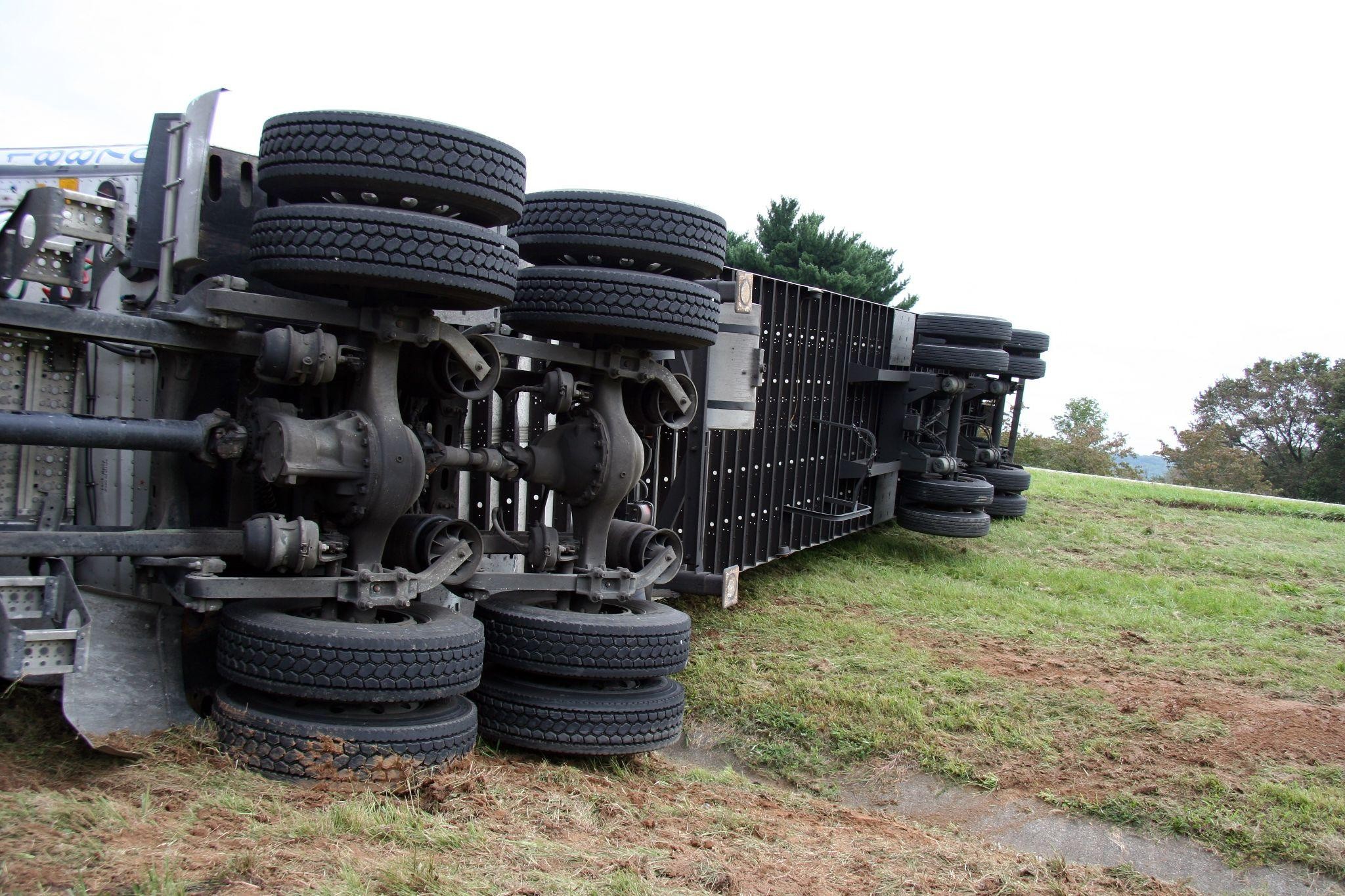
Truck crashes are messy. Not just the wreckage, but the fault investigation that follows.
Eighty thousand pounds barreling into a passenger vehicle will produce horrific damage. Determining how the wreck occurred can be much more difficult. Flat tire? Bad brakes? Driver exhaustion?
The answer matters. A lot.
As the cause determines who pays, who is liable and how much your truck accident personal injury claim is worth.
Here is how it works…
What you’ll discover:
- Why Fault Is So Tricky In Truck Crashes
- Mechanical Failure As A Cause Of Truck Crashes
- Driver Error As A Cause Of Truck Crashes
- How Fault Is Actually Investigated
- Why It All Matters For Your Claim
Why Fault Is So Tricky In Truck Crashes
Truck crashes are not like regular car crashes.
Car crashes normally involve two drivers, two vehicles and two insurance companies. Simple. Truck crashes drag in additional parties such as:
- The truck driver
- The trucking company
- The maintenance provider
- The cargo loader
- The truck or parts manufacturer
Any combination of them (or all of them at once) could be partially responsible for the wreck. That’s why a truck accident personal injury claim is seldom clear cut.
Over 4,354 people died in crashes involving large trucks in 2023. 65% of those fatalities were passenger vehicle occupants. Behind every one of those statistics is a fault investigation determining liability.
That’s why hiring a seasoned semi truck accident attorney from the beginning is crucial. They know what evidence to look for, who to interview, and how to preserve it before it’s gone.
Mechanical Failure As A Cause Of Truck Crashes
Let’s start with the mechanical side.
Big rigs have hundreds of moving parts. Brakes, tires, steering, lights and trailer connections all require maintenance. When one fails on the highway, it can be catastrophic.
The biggest culprit? Brakes.
The FMCSA’s Large Truck Crash Causation Study found that brake problems were coded on 29% of trucks involved in major crashes. That’s nearly 1 out of every 3 trucks.
Other common mechanical failures include:
- Tire blowouts — caused by underinflation, overloading or worn tread
- Steering issues — worn parts or bad alignment
- Transmission failures — sudden power loss or gear slip
- Lighting problems — making the truck invisible at night
- Coupling failures — where the trailer detaches from the cab
Listen… breakdowns don’t just magically occur. They are caused by missed inspections, inexpensive components or pressure to keep trucks moving.
When investigators try to determine why a part failed, they must determine who had responsibility for maintaining the part. Did the trucking company maintain the part? Did an outside repair facility maintain the part? Did the manufacturer maintain the part? This also plays into legal strategies.
Driver Error As A Cause Of Truck Crashes
Okay, now let’s look at the driver side as this is where most truck accidents occur.
FMCSA research shows… driver factors contributed to 87% of crashes when the truck was deemed the critical vehicle.
Reread that. Driver Error is the cause of most truck accidents.
The most common types of driver error include:
- Driving too fast for conditions
- Fatigue and falling asleep at the wheel
- Distraction — phones, GPS, eating, daydreaming
- Unfamiliarity with the route
- Poor surveillance — not checking mirrors or blind spots
- Pressure from the trucking company to drive longer
But why is driver error so common?
Truck drivers operate under extreme pressure. Deadlines are tight. Hours are long. Opportunities to rest are few. Federal Hours of Service regulations are meant to protect truck drivers, but rules are often broken. Fatigued and distracted drivers have slower reaction times.
That’s a recipe for disaster behind the wheel of a 40-ton truck.
How Fault Is Actually Investigated
Here is where things get interesting…
Examining a truck wreck is not like your typical weekend cornering collision. There are many levels of discovery and you must act quickly before it’s gone.
The Black Box (ECM Data)
Most newer trucks are equipped with an Electronic Control Module. Think of it as the black box found on an aeroplane. It logs:
- Speed
- Brake usage
- Engine RPMs
- Hard braking events
- Hours of service data
“This is gold for a fault investigation.” But here’s the kicker — trucking companies have been known to delete this data days after a crash. Which is why speed is important.
The Driver’s Logbook & ELD Data
Commercial truck drivers are required to log their hours of driving. Electronic Logging Devices are mandatory now, making falsification difficult. Yet infractions occur nationwide.
If the driver had been driving for 14 hours straight at the time of the accident, fatigue would be implicated immediately.
Truck Maintenance Records
Investigators pull every maintenance record they can on the truck. They look for:
- Skipped inspections
- Repair work that was deferred
- Recurring problems that weren’t fixed
- Substandard replacement parts
Should the brake pads have been past due and the truck was involved in a brake failure accident, that’s strong evidence directly against the trucking company.
The Crash Scene & Mechanical Inspections
Skid marks. Debris. Car placements. Damage assessment. Every detail tells the story of those last few seconds.
Following a severe crash, the truck itself is also inspected. Investigators examine brakes, tires and steering for any possible failures.
Why The Difference Matters For Your Claim
So why does mechanical failure vs driver error matter so much?
It matters because it affects WHO you can sue and how much you can recover. Don’t forget this. It REALLY matters.
If the cause was driver negligence, you are generally suing the driver and the trucking company. If the cause was mechanical failure, you may also be suing the maintenance company, parts manufacturer or whoever failed to maintain a roadworthy vehicle.
BOTH contributed to some wrecks. Driver who fell asleep behind the wheel. Could have stopped if brakes were working. Driver going too fast around a curve on bald tires. Think these through.
Wrapping Things Up
Investigating a truck accident is never cut-and-dried, and establishing liability can take some time. You will need evidence and an expert who knows how to interpret that evidence. Here is a quick overview:
- Mechanical failures (especially brakes) cause around 29% of serious truck crashes
- Operator error contributes to the cause of collision in cases where the truck is responsible 87% of the time
- Actual investigations use black box information, logbooks, maintenance records and the crash site
- Fault decides who pays, so getting it right matters
Have you ever been struck by a truck? If so, don’t delay. Evidence can disappear quickly, and trucking companies often have attorneys ready to protect their interests. Working with an experienced seattle truck accident lawyer can help ensure you have someone on your side who knows how to pursue the compensation your case is worth.