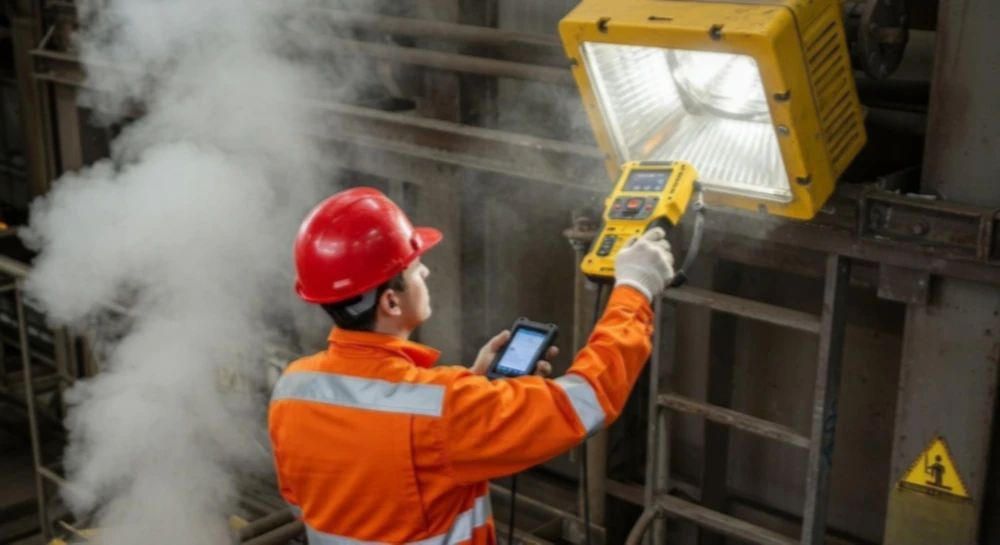
Retrofitting lighting in an active mine is not just a technical upgrade. It is a safety improvement that can significantly enhance visibility, reduce risks and improve daily operations. Mines are among the most challenging environments for any electrical equipment, with dust, moisture, vibration and potentially explosive gases all present. That is why many operators are now upgrading to modern explosion proof mining lighting systems that are specifically designed for these demanding conditions.
If you are planning to retrofit explosion proof LED strip lights in an existing mine, taking a structured and thoughtful approach is essential. Below is a practical step by step guide to help you complete the process safely and effectively.
Step 1 Assess the Existing Lighting System
Before making any changes, start by evaluating your current lighting setup. Identify where lighting is insufficient, outdated or prone to failure. Common problem areas in mines include tunnels, conveyor systems, loading zones and maintenance areas.
Take note of fixture types, mounting positions and electrical infrastructure. This assessment will help you determine what needs to be replaced and what can be upgraded or reused.
Understanding the current system also helps ensure that the retrofit aligns with broader explosion proof lighting for mining sites requirements and improves overall safety performance.
Step 2 Identify Hazardous Zones and Requirements
Mining environments are classified into different hazardous zones based on the likelihood of explosive atmospheres. These classifications determine what type of lighting equipment can be safely installed.
Make sure you clearly identify which areas are classified as hazardous and what certifications are required. This step is critical because installing incorrect lighting can lead to serious safety risks and compliance issues.
Choosing appropriate mining hazardous area lighting solutions ensures that your retrofit meets both regulatory standards and operational needs.
Step 3 Select the Right LED Strip Lighting
Not all LED strip lights are suitable for mining environments. You need lighting that is specifically designed and certified for hazardous conditions.
Explosion proof LED strip lights are ideal for mines because they are flexible, durable and capable of providing consistent illumination in confined or irregular spaces. Look for products with strong protective housings, proper sealing and relevant certifications.
Working with experienced providers such as MineGlow can help you select lighting that is tailored to your mine’s specific conditions. Their expertise ensures that the chosen solution meets safety requirements while delivering reliable performance.
Step 4 Plan the Retrofit Layout
A well planned layout is essential for achieving effective lighting coverage. Consider where LED strip lights will provide the most benefit.
Focus on areas such as walkways, tunnels, stairways and equipment zones where visibility is critical. LED strip lighting can also be used to outline structures or highlight edges, improving navigation and reducing the risk of accidents.
Integrating the new system into existing mining safety lighting solutions helps create a more cohesive and effective lighting strategy across the site.
Step 5 Prepare the Installation Area
Before installing the new lighting, prepare the work area carefully. This may involve cleaning surfaces, removing old fixtures and ensuring that mounting points are secure.
Check that all electrical systems are properly isolated and safe to work on. In hazardous environments, following proper safety procedures during installation is essential.
Taking the time to prepare the area reduces the risk of installation issues and helps ensure that the new lighting performs as expected.
Step 6 Install Explosion Proof LED Strip Lights
During installation, follow manufacturer guidelines closely to maintain certification and safety compliance. Use approved mounting methods and ensure that all connections are properly sealed.
Pay special attention to wiring and cable management. Cables should be protected from mechanical damage and routed away from high risk areas.
Proper installation of explosion proof luminaires for mines ensures that the lighting system operates safely and reliably in hazardous conditions.
Step 7 Test the System Thoroughly
Once installation is complete, test the lighting system before putting it into full operation. Check for consistent illumination, secure mounting and correct electrical performance.
Testing helps identify any issues early, such as loose connections or uneven lighting. Addressing these problems immediately ensures that the system is ready for safe use.
It is also important to verify that the lighting meets the required standards for hazardous environments.
Step 8 Train Staff and Maintenance Teams
Introducing new lighting systems often requires some level of training. Ensure that workers understand how the lighting works and what to do in case of issues.
Maintenance teams should be familiar with the specific requirements of explosion proof lighting. Proper handling and servicing help maintain safety and extend the lifespan of the system.
Training also reinforces safe working practices and ensures that the benefits of the retrofit are fully realized.
Step 9 Schedule Ongoing Inspections
Retrofitting is not a one time task. Regular inspections are essential to ensure that the lighting system continues to perform safely and effectively.
Check for signs of wear, damage or environmental impact. Addressing small issues early can prevent larger problems and reduce downtime.
Consistent maintenance helps protect your investment and ensures long term reliability in demanding mining conditions.
Why Retrofitting LED Strip Lighting Is Worth It
Upgrading to explosion proof LED strip lighting offers several advantages. Improved visibility enhances safety, while energy efficient LED technology reduces operating costs.
The flexibility of strip lighting also allows for better coverage in confined spaces, making it easier to illuminate areas that were previously difficult to light.
For mining operations, these improvements contribute to safer working conditions and more efficient workflows.
Upgrade Mining Safety with Confidence Through MineGlow
Retrofitting explosion proof LED strip lights in an existing mine is a powerful step toward improving safety, efficiency and reliability. With careful planning, the right equipment and proper installation, mining facilities can significantly enhance their lighting systems.
MineGlow continues to support mining operations with lighting solutions designed for hazardous environments. By combining durability, safety and innovation, MineGlow helps businesses create better illuminated and safer workplaces. Choosing the right lighting partner ensures your mine is equipped to handle the challenges of modern operations with confidence.
Frequently Asked Questions
- Why should mines upgrade to explosion proof LED strip lighting
Upgrading improves visibility, reduces energy consumption and enhances safety in hazardous environments. - What makes LED strip lights suitable for mining applications
They are flexible, durable and capable of providing consistent illumination in confined and irregular spaces. - Is certification important when retrofitting mine lighting
Yes, certified lighting ensures safe operation in hazardous areas and helps meet regulatory requirements. - How often should mining lighting systems be inspected
Regular inspections should be carried out to check for damage, ensure proper operation and maintain safety standards.