Enterprises today face an explosion of data from countless sources. Every customer interaction, IoT device signal, website clickstream, or operational transaction generates information that could hold value. But the diversity of these data — structured databases, semi-structured logs, and unstructured formats like video or text makes it increasingly difficult to capture, store, and analyze effectively using traditional tools.
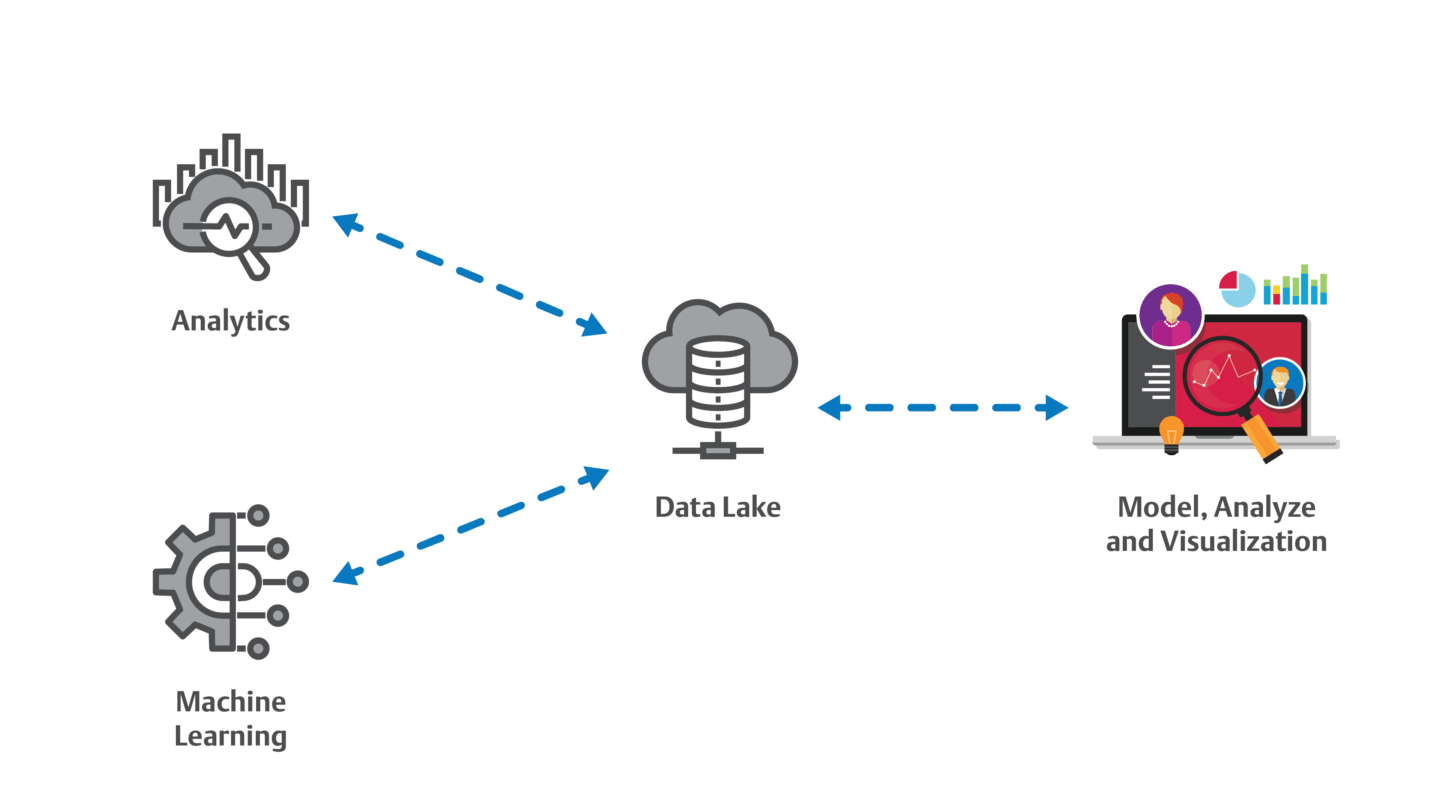
This complexity explains the rapid rise of data lake implementation as a preferred strategy for modern enterprises. Unlike rigid data warehouses, a data lake provides a centralized repository that can absorb data in its raw form, regardless of type or structure. This creates a foundation for advanced analytics, machine learning, and real-time decision-making. However, the technology itself is only one part of the equation. Without careful planning, governance, and integration, data lakes can quickly become messy, underutilized, and costly.
That’s where expert data lake consulting proves essential. By guiding organizations through the complexities of data lake implementation services, consultants ensure that solutions are not only technically sound but also aligned with long-term business strategies. The result is a system that generates measurable business value through agility, scalability, and informed decision-making.
Centralized Storage for Structured and Unstructured Data
Eliminating Fragmentation Across the Enterprise
Most organizations operate in silos: customer data sits in CRM systems, financial information in ERP platforms, operational data in transactional databases, and digital marketing insights in separate web analytics tools. On top of that, new streams like IoT sensors, video surveillance, and mobile app usage add layers of complexity. With so much fragmentation, it becomes nearly impossible to form a unified picture of the business.
A properly designed data lake resolves this issue by consolidating all information — structured, semi-structured, and unstructured — into a single repository. Analysts, engineers, and business leaders no longer need to chase data across multiple systems or duplicate efforts. Instead, they can access everything from one central hub, simplifying workflows and accelerating analysis.
Storing All Formats Without Preprocessing
Traditional data warehouses typically require data to be cleansed, transformed, and loaded before storage. While this ensures consistency, it creates delays, requires significant engineering work, and often discards information that could later prove valuable. In contrast, data lakes store information in its raw state, preserving every detail for future use. This flexibility allows companies to experiment with emerging use cases like natural language processing, image recognition, or predictive modeling without redesigning the underlying infrastructure.
By unifying diverse datasets, businesses build a foundation for richer insights, stronger collaboration across departments, and more efficient data-driven initiatives.
Enhanced Scalability and Flexibility
Meeting Growing Data Volumes Head-On
The volume of enterprise data doubles every few years, and many organizations now manage petabytes of information. Static systems quickly become overwhelmed, forcing costly upgrades or complete redesigns. Data lake implementation services offer inherent scalability, especially when deployed on modern cloud platforms. Companies can expand capacity dynamically as data volumes grow, ensuring the infrastructure evolves in step with business needs.
This scalability doesn’t just prevent bottlenecks — it creates long-term resilience. As new products, markets, or business units generate additional data, the system can absorb it seamlessly without disruption. This capability is especially valuable in industries where regulatory requirements demand that data be retained for many years, or in organizations pursuing ambitious digital transformation initiatives.
Strategic Design for Future-Proofing
Scaling infrastructure is not simply about buying more storage. Without thoughtful design, costs can spiral, performance may degrade, and governance could be compromised. This is why data lake consulting is so critical. Consultants help organizations design architectures that balance cost efficiency with performance, ensuring smooth integration with tools for AI, machine learning, and advanced analytics.
They also prepare businesses for future needs by recommending flexible frameworks, modular components, and governance policies that will stand the test of time. In this way, scalability and flexibility become not just technical advantages but strategic enablers of innovation and long-term competitiveness.
Improved Analytics and Actionable Insights
Data lakes are not valuable simply because they store information — their true power lies in enabling organizations to transform raw inputs into insights that drive action. By bringing together data from across the enterprise, businesses gain a complete view of their operations and customers.
Instead of relying on narrow, siloed reports, decision-makers can combine structured transaction histories with unstructured feedback from social media, sensor logs, or video analytics. This holistic perspective allows them to detect patterns that would otherwise remain hidden, anticipate shifts in demand, or uncover inefficiencies across supply chains.
Analytics powered by data lakes can operate at multiple levels. Historical analysis supports trend identification, predictive models forecast outcomes, and prescriptive systems suggest the best course of action. When combined with real-time streaming, organizations can even respond instantly to critical events — whether preventing fraud, detecting equipment failures, or personalizing customer interactions on the fly.
For businesses competing in fast-moving markets, this ability to turn data into intelligence is not optional; it is a defining factor in maintaining an edge.
Cost Efficiency Compared to Traditional Data Warehousing
Traditional data warehouses require significant upfront investment in hardware, software licenses, and skilled personnel. They also demand extensive preprocessing of data before ingestion, adding to engineering workloads and slowing time-to-insight. These constraints make them increasingly unsustainable for organizations managing large and diverse datasets.
In contrast, data lake implementation solutions are designed to be cost-efficient from the ground up. They allow companies to store raw data inexpensively, particularly in cloud-based environments where pricing follows a pay-as-you-go model. Businesses only pay for the storage and compute resources they actually use, reducing wasted capacity and aligning costs with value.
The long-term financial benefits extend beyond storage savings. Because data lakes preserve raw information, organizations can avoid re-collecting or re-processing data for new initiatives. Analysts and data scientists can return to historical datasets to test new models or hypotheses without additional costs. This reduces duplication of effort and ensures a higher return on every dollar spent managing data infrastructure.
Seamless Integration with Modern Data Platforms
A data lake is not an isolated tool; it must operate as part of a broader digital ecosystem. Integration with business intelligence platforms, CRM systems, ERP software, IoT frameworks, and machine learning pipelines is essential. Without seamless connectivity, the value of centralized storage is diminished.
Data lake implementation services ensure compatibility and interoperability across systems. This not only improves operational efficiency but also unlocks advanced use cases. For instance, companies can connect IoT sensor data with customer transaction histories to predict maintenance needs or create highly personalized marketing campaigns. Financial institutions can integrate real-time fraud detection systems with legacy transaction databases to strengthen security.
By ensuring smooth integration, a data lake becomes the central nervous system of the enterprise’s data infrastructure — collecting, processing, and distributing intelligence across every department and system.
Governance, Security, and Compliance
Avoiding the “Data Swamp” Trap
Without proper governance, a data lake can quickly lose its value. Raw information piled into a single repository without organization or oversight becomes difficult to navigate, inaccurate, and risky to use. Governance frameworks address this by implementing metadata management, data catalogs, and lifecycle policies that keep datasets discoverable, consistent, and trustworthy.
Security and Regulatory Alignment
Data security and compliance are non-negotiable in today’s regulatory landscape. With global standards such as GDPR, HIPAA, and industry-specific mandates, organizations face serious consequences if sensitive data is mismanaged. Through expert data lake consulting, companies implement robust access controls, encryption protocols, and monitoring systems that safeguard information while meeting compliance requirements.
This ensures not only legal protection but also customer trust. In industries like healthcare and finance, strong governance and security become differentiators that reassure stakeholders and support long-term success.
Long-Term Business Value of Data Lakes
The adoption of data lakes should not be viewed as a short-term technology upgrade but as a strategic investment in the future. A well-implemented data lake becomes a platform for continuous innovation, enabling organizations to adapt quickly to new challenges and opportunities.
By consolidating information, scaling effortlessly, supporting analytics, and integrating seamlessly with enterprise systems, data lakes help businesses operate with greater agility. They also provide a foundation for emerging technologies such as AI-driven automation, digital twins, and real-time personalization — capabilities that define leaders in the digital economy.
Organizations that approach implementation with the support of expert consulting gain a competitive edge not just today, but for years to come.
Conclusion: Preparing for a Data-Driven Future
The volume, variety, and velocity of enterprise data will only continue to grow. Data lake implementation services provide the infrastructure needed to transform this flood of information into an engine of innovation and efficiency. Centralized storage, scalability, advanced analytics, cost efficiency, integration, and governance together create an environment where data becomes a strategic asset rather than a burden.
Yet the difference between success and failure often lies in execution. With trusted data lake consulting partners, businesses ensure their systems are designed with governance, compliance, and long-term scalability in mind. Data lake implementation solutions not only reduce costs but also drive sustainable value by unlocking insights that fuel smarter decisions and better customer experiences.
For organizations that aspire to thrive in a data-driven future, the question is no longer whether to adopt a data lake, but how to implement it strategically to maximize return on investment and long-term competitiveness.