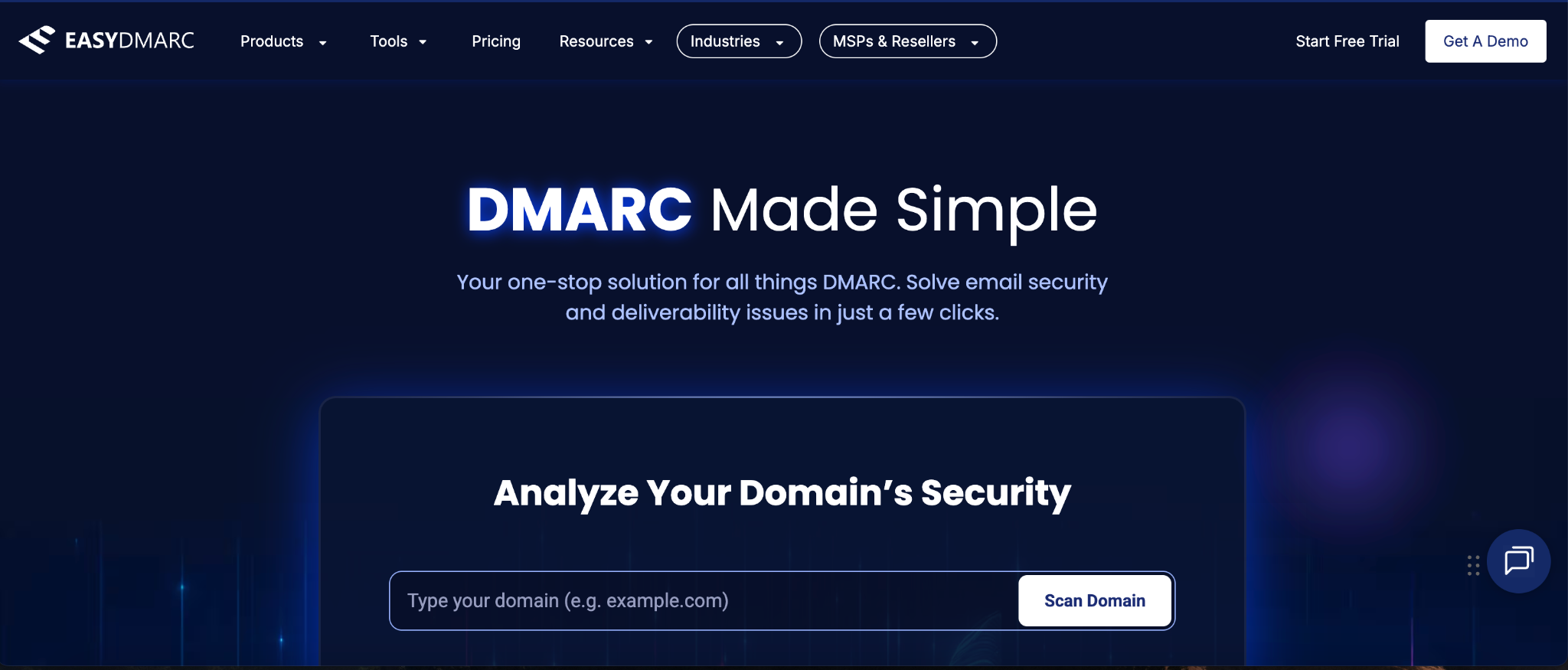
Email remains one of the most important business communication channels, but it is also one of the most abused. Phishing, spoofing, and domain impersonation continue to grow, damaging brands and eroding customer trust. Against this backdrop, EasyDMARC has positioned itself as a practical, accessible platform for companies that want strong email authentication without unnecessary complexity.
Why email authentication is no longer optional
Most organizations rely on email to communicate with customers, partners, and internal teams. Unfortunately, attackers rely on it too. They can spoof a sender’s domain, send messages that look legitimate, and trick recipients into clicking malicious links or sharing credentials.
Email authentication standards such as SPF, DKIM, and DMARC were created to solve this problem. When configured correctly, they allow receiving mail servers to verify that an email really came from the domain it claims to represent. The challenge is that these standards are technical, interconnected, and often poorly documented for non-specialists.
Many companies either misconfigure them or delay implementation altogether. That gap is exactly where EasyDMARC steps in.
What EasyDMARC is designed to do
EasyDMARC is a cloud-based platform focused on simplifying email authentication and monitoring. Its core purpose is to help domain owners:
- Set up SPF, DKIM, and DMARC correctly
- Monitor how their domains are being used in email traffic
- Detect spoofing and unauthorized senders
- Gradually enforce DMARC policies without breaking legitimate mail
Instead of forcing users to manually parse XML reports or understand raw DNS records, the platform translates technical data into clear, actionable insights.
A closer look at DMARC made simple
DMARC, or Domain-based Message Authentication, Reporting, and Conformance, is often the hardest standard to implement. It sits on top of SPF and DKIM and tells receiving servers what to do if authentication fails.
EasyDMARC simplifies DMARC adoption by guiding users through each stage:
- Visibility – You start with a monitoring policy that collects reports without affecting delivery.
- Analysis – The platform shows who is sending mail on your behalf and whether those sources pass authentication.
- Alignment – Legitimate senders are fixed or authorized properly.
- Enforcement – Once confident, you move to quarantine or reject policies to block abuse.
This phased approach reduces risk and makes DMARC accessible even for smaller teams.
Reporting that non-experts can actually understand
One of the biggest pain points in DMARC adoption is reporting. Raw DMARC reports arrive as compressed XML files that are nearly unreadable without specialized tools.
EasyDMARC converts these reports into visual dashboards that highlight:
- Sending IPs and domains
- Pass and fail rates for SPF and DKIM
- Geographic sources of email traffic
- Suspicious or unauthorized activity
Instead of guessing what is happening with your domain, you can see it clearly and respond quickly.
Beyond DMARC: a broader email security toolkit
While DMARC is central, EasyDMARC is not limited to a single protocol. The platform also supports:
- SPF record management to avoid lookup limits and configuration errors
- DKIM validation to ensure cryptographic signatures are set up correctly
- Domain monitoring to detect misuse across multiple domains and subdomains
In addition, the platform includes tools that help assess whether your email setup supports strong deliverability and trust. For example, the EasyDMARC email verifier can be used to check address validity and reduce bounce rates as part of a broader email hygiene process.
Who benefits most from using EasyDMARC
EasyDMARC is built to serve a wide range of users, from technical professionals to business teams.
- Small and medium businesses benefit from guided setup and automation without needing a dedicated security engineer.
- Marketing teams gain confidence that campaigns are authenticated and less likely to land in spam folders.
- IT and security teams get visibility and control without spending hours on manual analysis.
- Enterprises and MSPs can manage multiple domains and clients from a single interface.
This flexibility makes the platform suitable for both growing companies and mature organizations.
Deliverability and brand trust go hand in hand
Email authentication is not only about blocking attackers. It also has a direct impact on deliverability. Mailbox providers increasingly expect domains to have proper authentication in place. Domains without DMARC or with poor alignment are more likely to see legitimate messages filtered or rejected.
By implementing authentication correctly, organizations send a strong signal that they take email security seriously. That translates into better inbox placement, fewer false positives, and stronger brand credibility with recipients.
Implementation without disruption
One reason companies delay DMARC enforcement is the fear of breaking email flow. EasyDMARC addresses this by emphasizing monitoring and gradual change. Users can see exactly which systems send mail before enforcing any blocking policies.
This reduces internal resistance and makes it easier to get buy-in from stakeholders who rely on email for daily operations.
A practical approach to a complex problem
Email authentication does not need to be mysterious or overwhelming. EasyDMARC succeeds by focusing on clarity, guided workflows, and useful reporting. Instead of abstract standards and raw data, users get practical answers to simple questions: who is sending email for my domain, is it authorized, and what should I fix next?
For organizations that want to protect their domains, improve deliverability, and reduce the risk of email-based attacks, EasyDMARC offers a balanced, approachable solution built for real-world use.