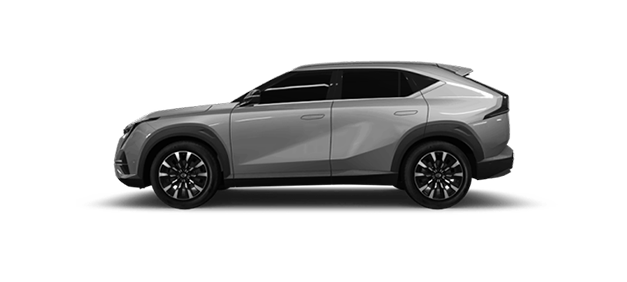
As Brazil continues to address environmental challenges and urban mobility demands, the automotive market is gradually embracing electric and hybrid vehicles. GAC Brasil is contributing to this transition by offering models that combine modern technology, energy efficiency, and comfort. By focusing on sustainable mobility, GAC Brazil supports a future where transportation aligns more closely with environmental goals and consumer needs.
Reducing Environmental Impact
One of the main benefits of electric and hybrid vehicles is their ability to reduce greenhouse gas emissions. In Brazil’s major cities, where traffic congestion often leads to high levels of air pollution, electric cars provide a practical solution. GAC Brasil introduces vehicles that not only help reduce carbon footprints but also minimize noise pollution, improving quality of life in urban areas.
Aligning with Brazil’s Renewable Energy Strength
Brazil has a significant advantage in its high share of renewable energy, particularly hydropower. This makes electric vehicle charging more sustainable compared to countries that rely heavily on fossil fuels. GAC Brazil aligns with this natural advantage, ensuring that drivers who choose their electric models benefit from greener energy sources. This connection strengthens the overall value of EV adoption in Brazil.
Practical Benefits for Consumers
Beyond environmental considerations, GAC Brasil electric cars provide practical advantages for consumers. Lower fuel and maintenance costs make electric mobility attractive for families and businesses. With fewer moving parts compared to traditional vehicles, electric models often require less servicing, reducing long-term expenses. Additionally, features such as advanced infotainment systems, digital displays, and driver-assistance technologies enhance convenience and comfort for everyday use.
Supporting Brazil’s Transition to Clean Mobility
The presence of GAC Brazil in the automotive sector adds momentum to the country’s shift toward clean mobility. As charging networks expand and public awareness increases, electric vehicles are becoming more accessible. By offering a range of efficient and well-equipped models, GAC Brasil helps accelerate adoption while supporting Brazil’s broader sustainability goals.
Conclusion
Sustainable mobility is no longer just a future concept but an emerging reality in Brazil. GAC Brasil plays an important role in this transition by delivering electric and hybrid vehicles that reduce emissions, align with renewable energy, and offer cost savings for drivers. As more consumers embrace eco-friendly transportation, GAC Brazil continues to support the journey toward a cleaner and more sustainable mobility landscape.