As the global community grows more environmentally conscious, the automotive industry has responded by developing more sustainable transportation options. Among these, Plug-in Hybrid Electric Vehicles (PHEVs) and Battery Electric Vehicles (BEVs) stand out as popular choices for reducing emissions. However, choosing between these two can often be confusing for consumers looking to make the most environmentally friendly decision. This blog will explore the differences between PHEVs and BEVs in terms of their environmental impact and introduce the GAC AION Y, a BEV that exemplifies the benefits of low-emission vehicles.
PHEVs vs. BEVs: Understanding the Emissions
Plug-in Hybrid Electric Vehicles (PHEVs)
PHEVs are vehicles that combine a gasoline or diesel engine with an electric motor and a rechargeable battery. They can be charged from an external power source and can operate on electric power alone until the battery is depleted, after which the conventional engine takes over. While PHEVs emit lower emissions compared to traditional combustion engine vehicles, they still produce tailpipe emissions when the combustion engine is in use.
Pros of PHEVs:
Flexibility: They can switch between gasoline and electric power, which can be advantageous for long-distance travel where charging infrastructure may be sparse.
Reduced range anxiety: The presence of a gasoline engine alleviates concerns about running out of charge.
Cons of PHEVs:
Emissions during combustion mode: When operating in combustion mode, PHEVs emit pollutants and greenhouse gases, although less than traditional vehicles.
Complexity and cost: Maintaining both an engine and an electric motor can lead to higher maintenance costs and more complex servicing.
Battery Electric Vehicles (BEVs)
BEVs, such as the GAC AION Y, are powered entirely by electricity stored in their batteries and produce zero tailpipe emissions. They are charged from external electricity sources and use electric motors to propel the vehicle. BEVs are considered the purest form of electric vehicles due to their non-reliance on fossil fuels once manufactured.
Pros of BEVs:
Zero tailpipe emissions: BEVs contribute significantly less to air pollution compared to PHEVs and ICE vehicles.
Lower operating costs: Electricity is cheaper than gasoline on average, and electric motors require less maintenance than combustion engines.
Simplicity: Fewer moving parts mean less wear and tear and typically lower maintenance requirements.
Cons of BEVs:
Range limitations: Although improving, the range of BEVs can be a concern for some users, especially in areas with limited charging infrastructure.
Longer refueling times: Charging a battery takes longer than filling a gas tank, which can be an inconvenience for some.
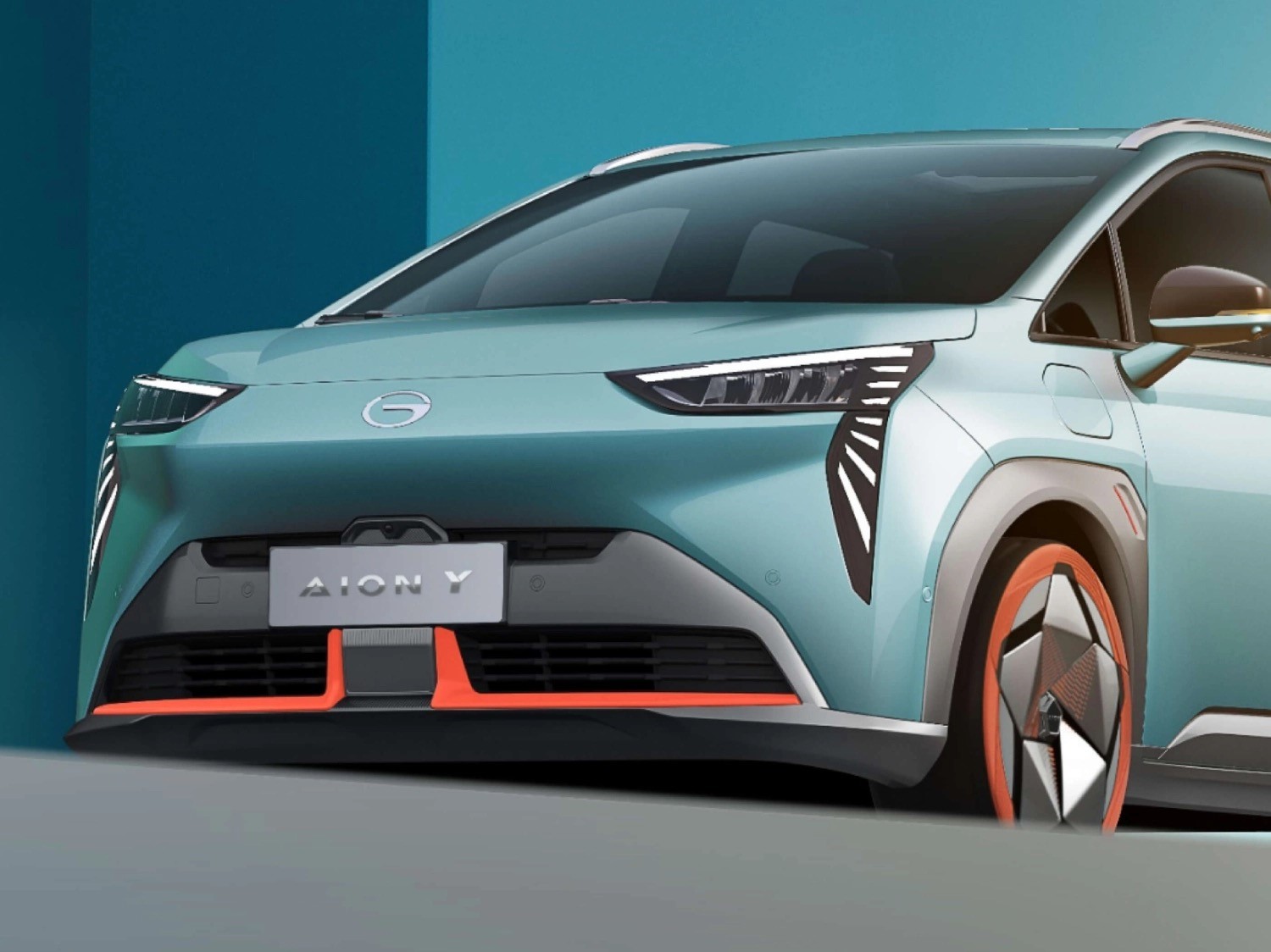
Introducing the GAC AION Y: A Leader in BEV Technology
The GAC AION Y exemplifies the virtues of BEVs in today’s market. It is designed to offer a sustainable and efficient driving experience without compromising on performance or comfort. Key features include:
High-Efficiency Electric Drive: Maximizes the conversion of electricity into motion, making it more efficient and cost-effective.
Leading EV Platform: Built on a dedicated electric platform that enhances driving dynamics and safety.
Generous Interior Space: Provides comfort and practicality, making it suitable for families and professionals alike.
Environmental and Practical Benefits
Choosing the GAC AION Y means embracing a vehicle that is not only good for the planet but also good for the daily needs of drivers. With its zero-emission capability, it represents the future of sustainable personal transport, offering a clean alternative for environmentally conscious consumers.
Conclusion
In the comparison between PHEVs and BEVs, while both offer benefits over traditional combustion engine vehicles, BEVs like the GAC AION Y stand out for their environmental purity and lower lifetime operating costs. As the world moves towards a more sustainable future, the GAC AION Y provides a compelling choice for those looking to reduce their carbon footprint effectively and enjoy the benefits of advanced electric vehicle technology.