
The intersection of smart home technology and traditional roofing is creating a fundamental shift in how homeowners think about their roof systems, transforming what was once viewed as a purely functional building element into an integrated technology platform that can generate energy, monitor environmental conditions, and even communicate with other home systems. This evolution is forcing roofing companies to reimagine their business models, expand their technical expertise, and develop new customer engagement strategies that speak to increasingly sophisticated homeowner expectations.
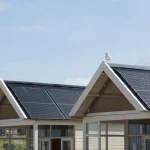
Solar integration has become the most visible manifestation of smart roofing technology, but the reality extends far beyond simple panel installation. Modern smart roofing systems incorporate photovoltaic cells directly into roofing materials themselves, creating seamless energy-generating surfaces that maintain aesthetic appeal while producing electricity. Tesla’s Solar Roof tiles represent the most high-profile example, but numerous manufacturers now offer integrated solar solutions that blur the line between roofing material and energy infrastructure. These systems require roofing contractors to understand electrical systems, energy storage solutions, and utility interconnection requirements that extend far beyond traditional roofing expertise.
In practice, seamless solar-roof integration demands close coordination with qualified electrical contractors to handle panel capacity, inverter placement, and safe interconnection to the grid. Engaging a licensed local electrician like Clements Electric can help assess whether existing service panels need upgrades, design appropriate wiring runs, and ensure battery and inverter systems meet code and utility requirements. Early involvement reduces costly change orders during installation and supports optimized layouts that prioritize efficiency and future expandability. It also provides homeowners with reliable pathways for emergency repairs and lighting retrofits that maximize the energy-generation benefits of smart roofing.
Weather monitoring and environmental sensors embedded in roofing systems provide homeowners with real-time data about temperature, moisture levels, wind conditions, and potential damage indicators. Smart shingles equipped with sensors can detect ice dam formation, identify areas of excessive heat buildup, or alert homeowners to potential leak sources before they cause interior damage. This predictive capability appeals to tech-savvy homeowners who prefer proactive maintenance approaches over reactive emergency repairs, creating opportunities for roofing companies to develop ongoing monitoring and maintenance service contracts rather than relying solely on project-based revenue models.
The materials science revolution in roofing reflects smart home demands for sustainability, efficiency, and connectivity. Cool roofing materials that reflect heat and reduce energy consumption now incorporate smart coatings that can adjust their reflective properties based on seasonal temperature changes. Phase-change materials embedded in roofing systems help regulate interior temperatures by absorbing and releasing thermal energy as conditions change. These advanced materials require roofing contractors to understand building science principles and energy efficiency concepts that were previously outside their professional scope.
Customer expectations for roofing services have evolved alongside smart home adoption patterns. Modern homeowners expect seamless digital experiences throughout their home improvement projects, from initial research and contractor selection through project completion and ongoing maintenance. They want real-time project updates, detailed documentation of materials and installation processes, and integrated scheduling systems that coordinate with their busy lifestyles. Roofing companies that fail to provide these digital touchpoints risk losing customers to competitors who better understand modern consumer expectations.
CRM technology becomes essential for managing these complex customer relationships and project requirements. Smart home customers typically require more detailed consultations, longer sales cycles, and ongoing technical support that extends beyond traditional roofing services. Effective CRM systems help roofing companies track customer technology preferences, manage complex project specifications, and maintain long-term relationships that support recurring maintenance and upgrade services. These systems must integrate with project management tools, accounting software, and customer communication platforms to provide the seamless experience that tech-savvy customers demand.
The sales process for smart roofing projects requires fundamentally different approaches than traditional roofing sales. Customers researching solar integration or smart home connectivity often arrive with extensive technical knowledge and specific performance expectations. Sales teams must be prepared to discuss energy production calculations, smart home integration capabilities, and long-term technology upgrade paths. This consultative sales approach requires more time and expertise than traditional roofing estimates, making efficient CRM systems crucial for managing longer, more complex sales cycles while maintaining profitability.
Project documentation and communication take on heightened importance with smart roofing installations. Customers expect detailed technical specifications, warranty information for multiple system components, and clear instructions for operating and maintaining their new smart roofing features. Digital documentation systems integrated with CRM platforms help roofing companies provide comprehensive project records while building customer confidence in their technical capabilities. Photo documentation, installation videos, and digital warranty tracking become standard service expectations rather than optional extras.
The subscription service model emerging in smart home industries presents new revenue opportunities for forward-thinking roofing companies. Rather than relying solely on occasional replacement projects, companies can develop ongoing monitoring services, system optimization programs, and technology upgrade pathways that generate recurring revenue. Platforms like Jobnimbus’s roofing CRM solution help companies manage these complex service relationships while tracking performance metrics and customer satisfaction levels that support long-term business growth.
Training and certification requirements for smart roofing installations create barriers to entry that can benefit companies willing to invest in technical education. Solar installation certifications, electrical system training, and smart home integration expertise distinguish qualified contractors from competitors who focus solely on traditional roofing services. CRM systems help track employee certifications, manage continuing education requirements, and match appropriately qualified team members with specific project requirements.
The future trajectory of smart roofing points toward increasingly integrated home systems where roofing components communicate with HVAC systems, energy storage solutions, and home automation platforms. Roofing companies that position themselves as smart home integration specialists rather than traditional contractors will be better positioned to capture this evolving market opportunity, using sophisticated CRM systems to manage the complex customer relationships and technical requirements that define the smart home roofing industry.